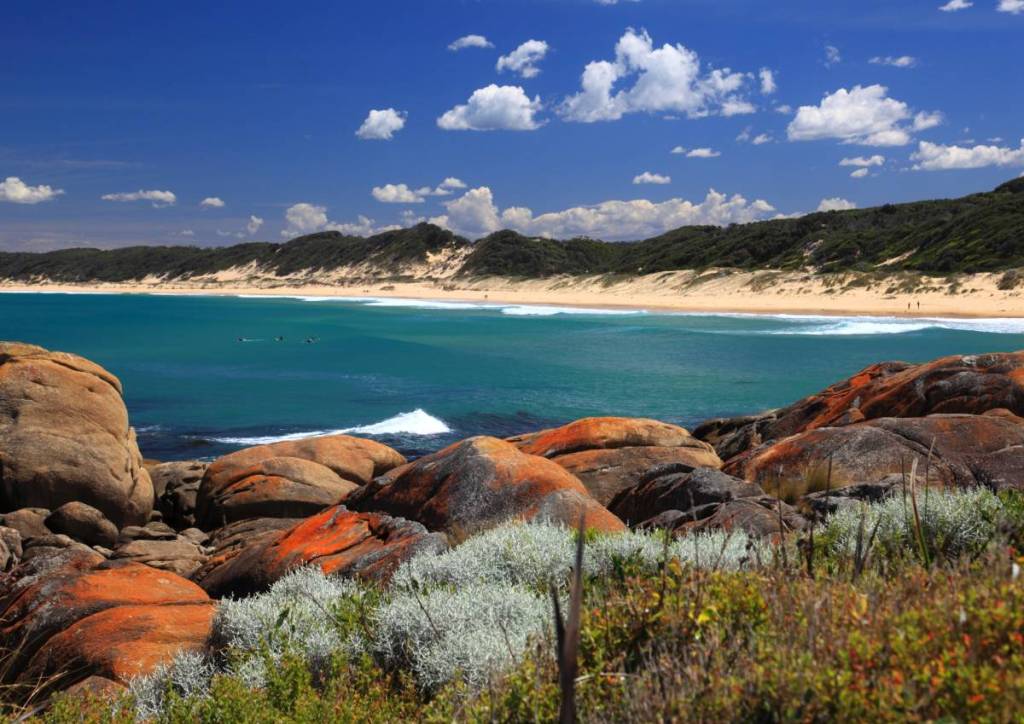

Summer is on the horizon, and if you’ve been dreaming of an untamed beachside escape, why don’t you consider a trip to Cape Conran Coastal Park? Located in the far, eastern corner of Victoria, five hours away from Melbourne, this national park is packed with sandy beaches, walking trails and plenty of wildlife. And if you need a little extra convincing, cabin stays are returning to the park, so you can stay even longer over the summer holidays.

Cape Conran Coastal Park
Indigenous significance
Located on the lands of the Bidawal, Gunaikurnai and Nindi-Ngudjam Ngarigu Monero people, this coastal park is one of the sites of Indigenous significance on the Bataluk Cultural Trail. On the shoreline, there’s remnants of tools and marine life which have built up over time to form shell middens. These middens reveal special meeting places, where people would gather to feast, celebrate and perform ceremonies, with sites in East Gippsland dating back to over 10,000 years old. At Salmon Rocks, you can see the top layer of one of these middens visible from the viewing platform.
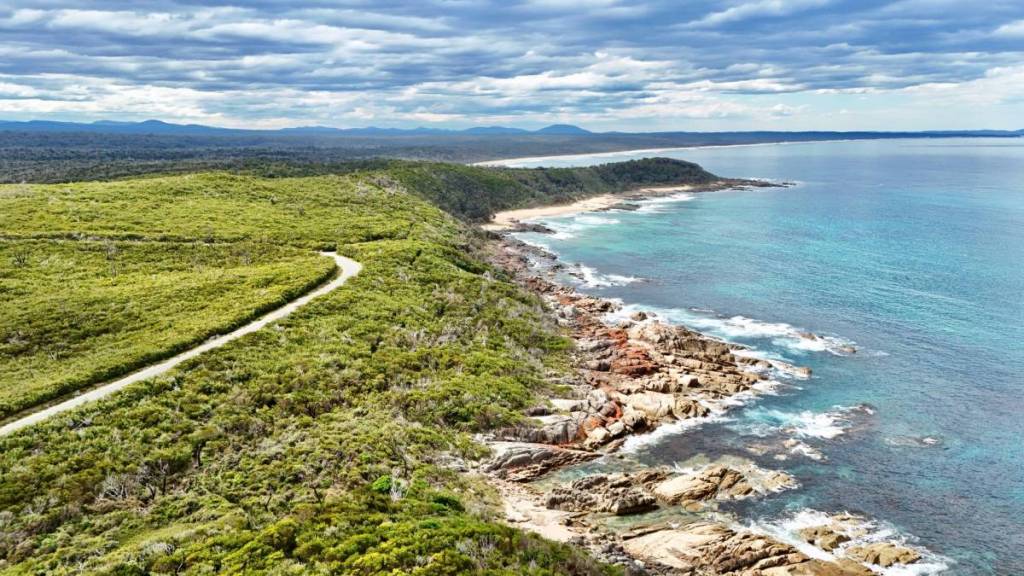
For another look at its history, take a stroll along the Cape Conran Nature Trail. Starting from East Cape Beach, and ending at Salmon Rocks Beach, this lovely trail will take you along sandy beaches, rockpools, banksia woodlands, boardwalks and lookouts. Along the way, you’ll find interpretative signs, giving you an insight into the Aboriginal significance of this coastal environment. As you go, look out for wildlife like echidnas and wallabies. This trail is 3.2km one way, or 6.4km return. It takes about two hours for a return journey.
For something a little shorter, opt for the East Cape Boardwalk. This 400 metre section takes just 15 minutes to complete one way, and connects East Cape to Cowrie Bay. This section, which connects to the larger nature trail, contains interpretative signs and protects some sacred ancient meeting places of the Gunaikurnai people.
Beaches
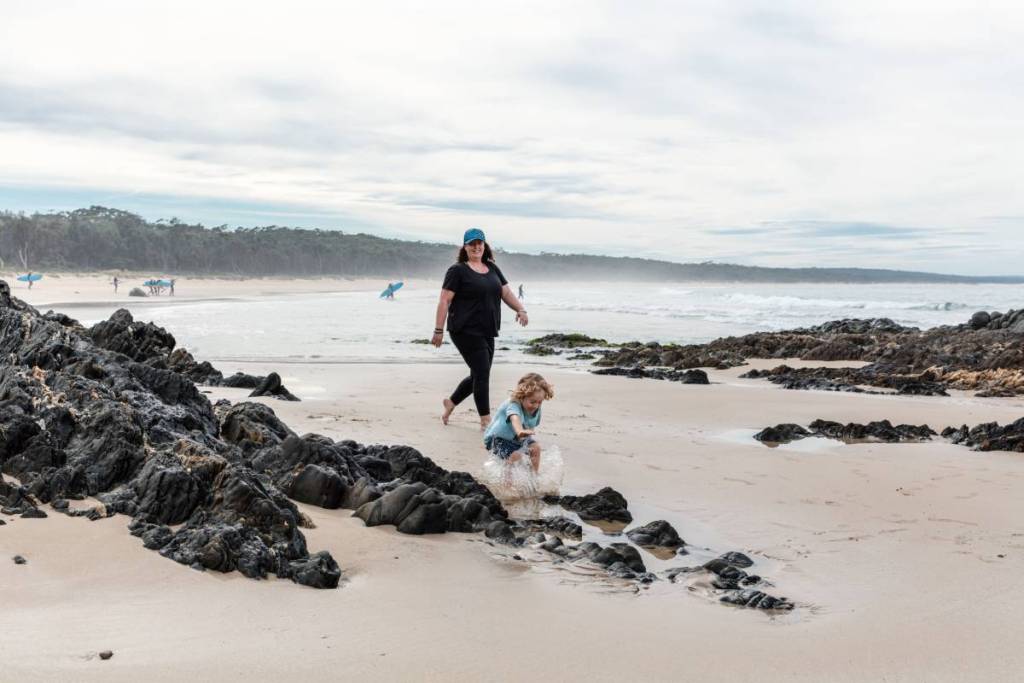
There’s quite a few beaches to choose from around Cape Conran. For a family-friendly experience, opt for East Cape Beach. This section offers calm, shallow waters, with a wide stretch of sand and pretty rock formations on either side. Please note that although this beach is safer for families, it is not patrolled. Beware of rips, strong currents and submerged rocks.
For wild waves, bring your surfboard along to West Cape Beach (Salmon Rocks). Watch them break on a reef, and catch a ride on the swell. Walk along the shore and check out some rockpools. At sunrise, see the light transform the rocks into a glowing pink. This area also has a boat ramp, so you can head out on the water and go fishing.
Further east, you’ll find the picturesque Pearl Point. The waves here average 1.3 metres, making it great for experienced surfers. If you’re not able to ride the waves, that’s ok! This beach also has a variety of rockpools, as well as rolling sand dunes and plenty of seabirds. Campsites are also available if you’d like to linger a little longer.
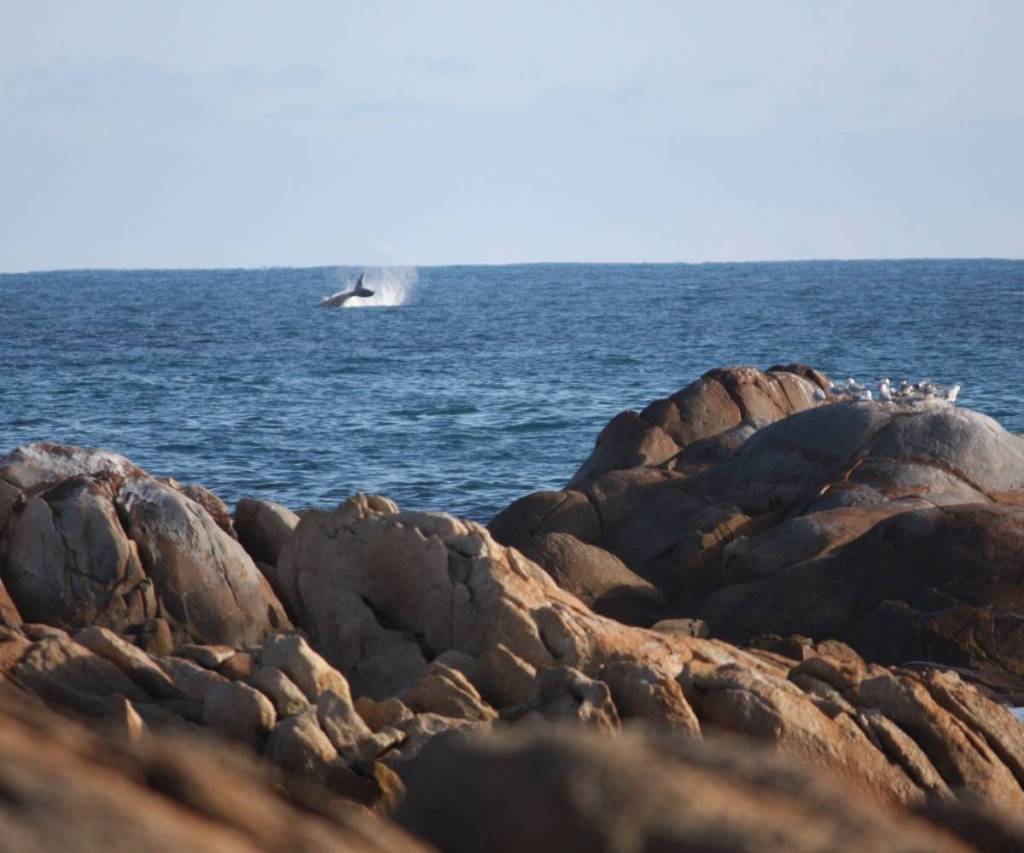
From May to October, whales can often be sighted off the coast. Keep an eye out on the water and see if you can spot any frolicking dolphins among the waves.
Walking tracks
Around the coastal park, you’ll find a whole variety of walking tracks that will take you through rocky ridges, heathland and banksia woodlands.
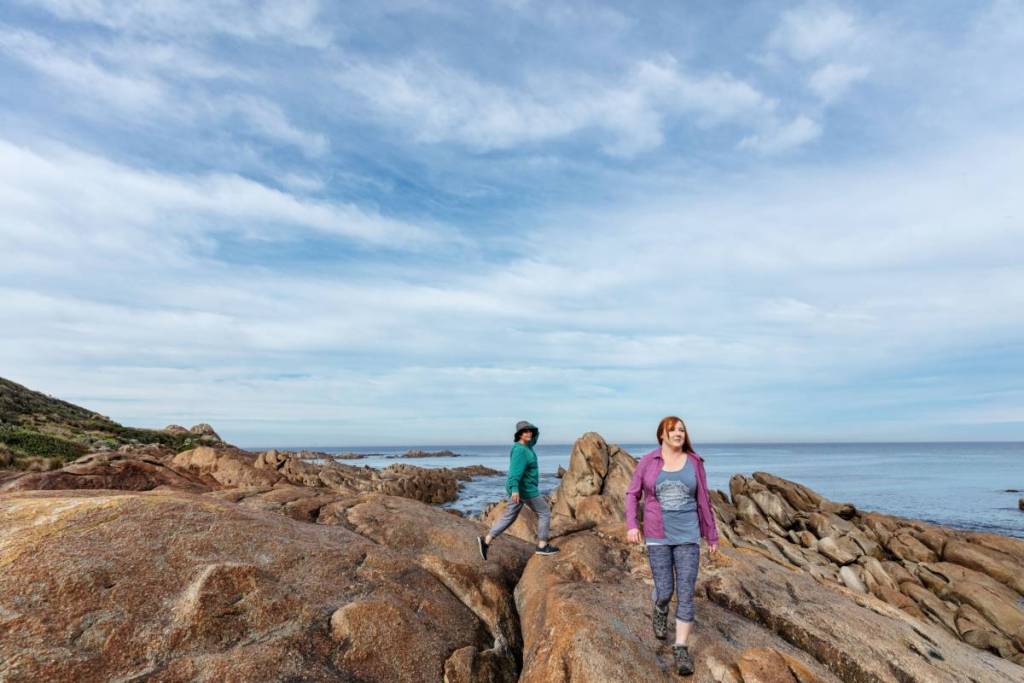
On the 3km Heathland Walk, you’ll see regenerating bushland, nectar-rich plants and wildflowers in spring. On this trail, you’ll see plenty of birds like rosellas and parrots, as well as reptiles like lizards and goannas.
Stroll along the Estuary View Walk, a lovely 1.5km trail along the lower ends of the Yeerung River. Listen out for a variety of birds, particularly at sunrise and sunset, and look out for an abundance of wildflowers in spring.
For something a little different, check out Yeerung Gorge. This rugged landform is home to some unusual vegetation, as well as deep rockpools fed by the East Yeerung River. The walk is about 1km long.
Feeling ambitious? Set out on the 20km Dock Inlet Walk, in search of a fresh water lake. This lake is surrounded by sand dunes, and you can only reach it by foot. There is a campsite available, with no facilities. The return journey is about 5-6 hours.
Accommodation
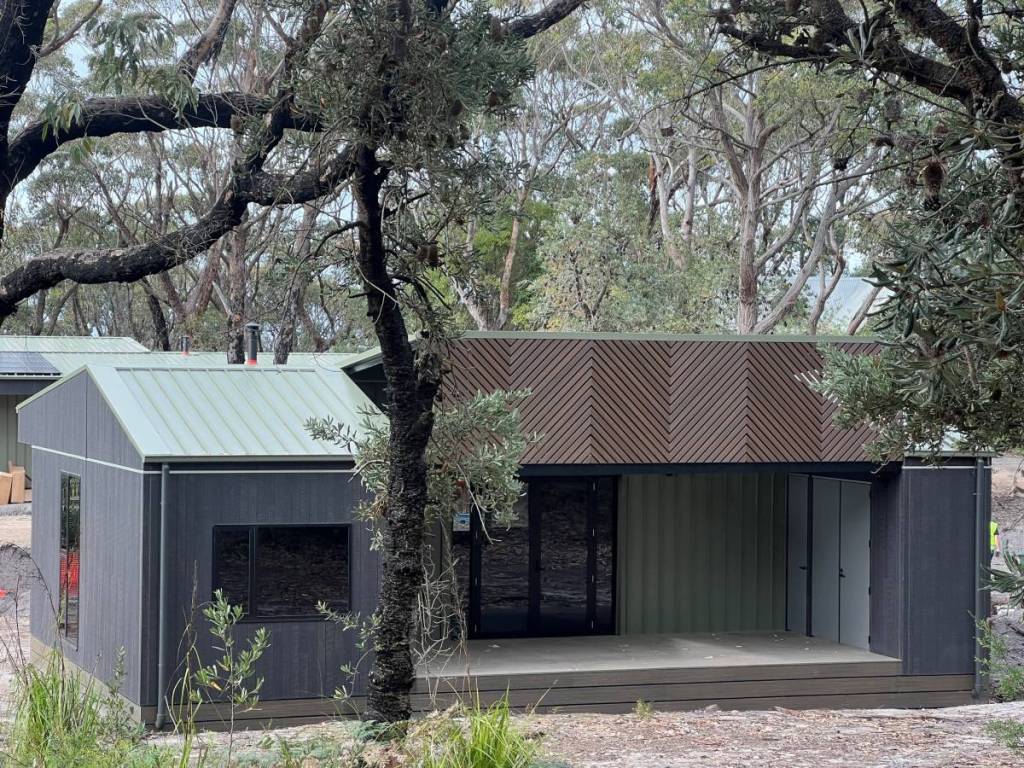
If you don’t feel like camping, you can book a stay in one of the new cabins! There’s six one-bedroom and four three-bedroom cabins, which will steadily be made available. These new cabins replace the ones destroyed by the 2019-20 bushfires.
Seven of these cabins have improved accessibility, including ramp access, wider doorways and handrails in the bathroom. All of the cabins are self-contained, with kitchen facilities, bathrooms, drinking water, ceiling fans, pellet heaters and outdoor decks.
Bookings are now available, for stays from January 11, 2027. You’ll find them in Banksia Bluff Campground.
Beyond Cape Conran

Between Cape Conran and Marlo, you’ll find Sailors Grave Brewing. Take a tour of the brewery, try their beers and enjoy a bite to eat.
Travel an hour to the west and enjoy the popular holiday town of Lakes Entrance. Continue on to relax in Metung Hot Springs, or explore Paynesville, where you’ll find plenty of boats and koalas. Or, stick around in the wilderness and explore other nearby national parks, such as Croajingolong National Park or Errinundra National Park.
Things to know
Stay prepared for your adventure in Cape Conran Coastal Park by bringing along plenty of water, food, sunscreen and insect repellent. Some areas have no phone reception, so bring a map with you, and let someone know about your plans before you set off on a hike. Keep an eye on the weather and check the Fire Danger Rating before you go. To keep an eye on changing conditions, check out the Parks Victoria website.