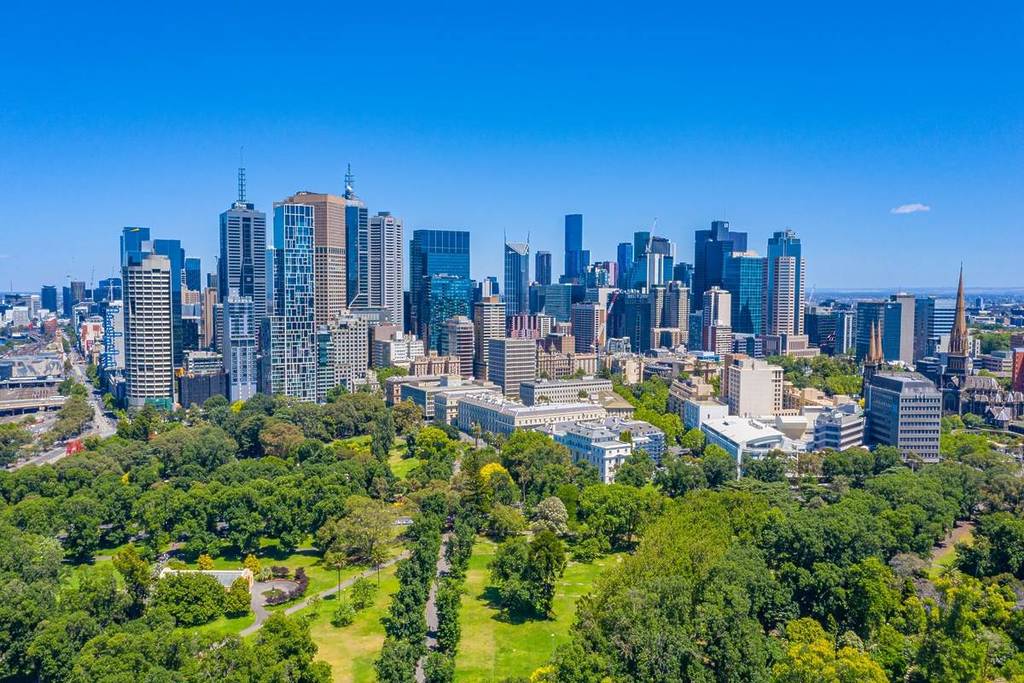

Australia has once again landed on the shortlist of countries where people can still breathe easy.
According to the 2025 IQAir World Air Quality Report, only 13 countries and territories across the globe met the World Health Organization’s (WHO) air quality guidelines last year—and none of them were in Asia.
The findings paint a sobering picture: more than 85% of monitored cities failed to meet WHO’s annual PM2.5 standards, which recommend concentrations below 5 micrograms per cubic metre. The pollutant—a fine particulate matter that can lodge deep in the lungs—was tracked across 9,400 cities in 143 countries.
French Polynesia topped the list as the cleanest place on Earth, followed closely by Puerto Rico and the U.S. Virgin Islands. Australia came in at number 10, joining the likes of Iceland, New Caledonia and Reunion Island in a small but privileged group of clean-air nations.
Countries Ranked Last
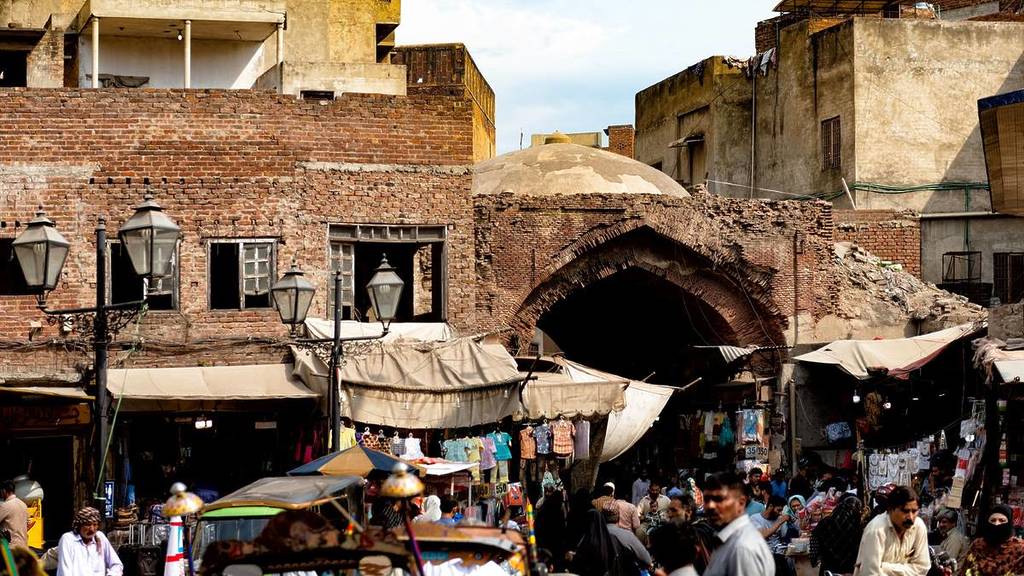
At the other end of the spectrum, Pakistan, Bangladesh and Tajikistan topped the world’s pollution charts, where average readings were more than ten times recommended limits.
India continues to dominate the list of the world’s most polluted cities, with Loni, near Delhi, measured at levels 22 times the WHO guideline.
“Air pollution remains the world’s greatest environmental health risk,” said IQAir global air quality manager Christi Schroeder, who described PM2.5 exposure as “a silent epidemic with visible consequences.”
Australia’s Clean-Air Paradox
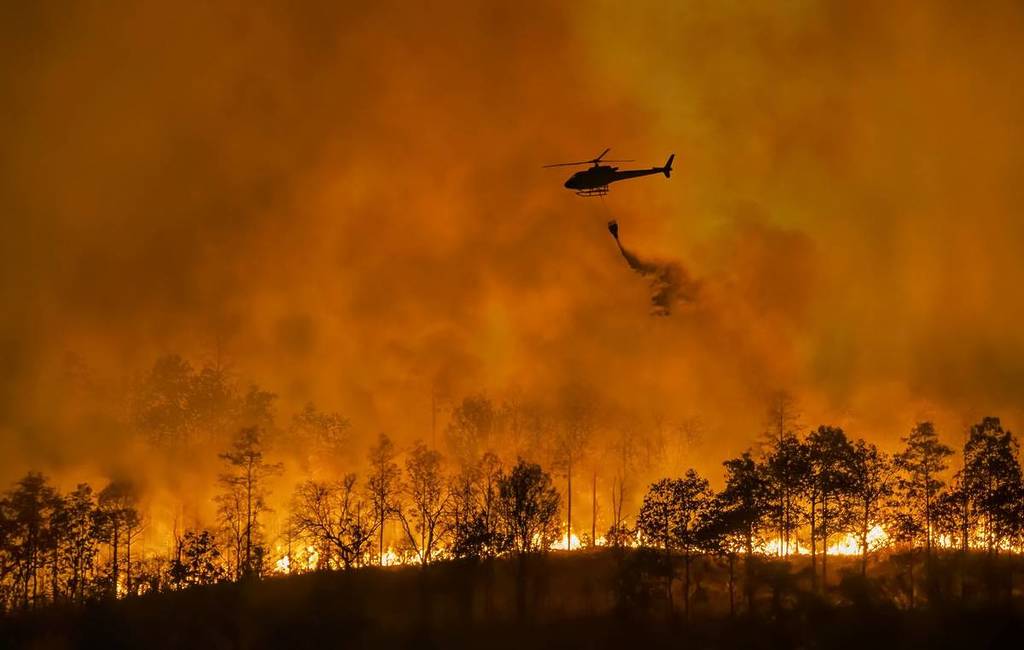
Despite its flattering ranking, the report notes that Australia’s air quality is far from immune to crisis moments. Bushfires, dust storms and wood heater emissions can cause dangerous spikes—such as the catastrophic summer of 2019–20, when thick smoke blanketed much of the east coast for weeks.
In winter, domestic wood heaters contribute around half of ambient particulate pollution in some regions. Meanwhile, city drivers remain a growing concern: Australia’s high car ownership—over 90% of households—and reliance on short commutes by private vehicles continue to generate avoidable emissions.
Experts say tackling transport emissions could be one of the country’s biggest pollution wins. A 2025 University of Melbourne analysis found that nearly one in five commutes in major capitals are less than five kilometres—short enough to swap for walking or cycling.
A Warning, Not A Pat On The Back
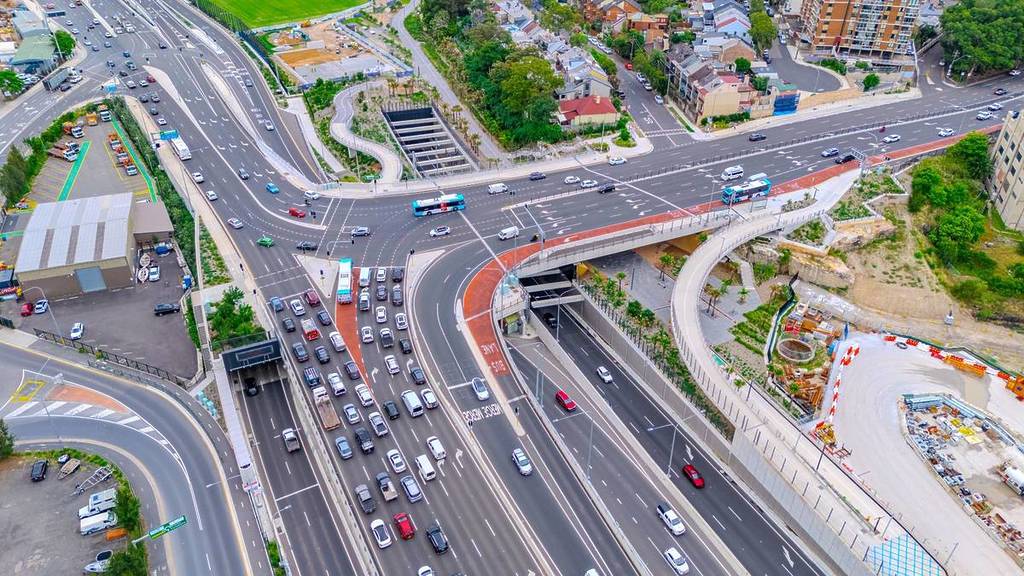
Even low levels of air pollution carry health risks. The WHO estimates millions of premature deaths each year globally are linked to poor air quality—from cardiovascular complications to lung cancer.
“As Australians, we’re fortunate to have some of the world’s cleanest air, but that shouldn’t make us complacent,” said environmental health researcher Dr. Sarah Reeve from Monash University. “Given the rise in bushfires and vehicle emissions, the challenge now is not losing ground.”
The IQAir World Air Quality Report reiterates that while some countries are inching ahead, the world as a whole is breathing dirtier air than a year ago. For Australia, that’s a reminder that clean air is a privilege—and a responsibility to keep it that way.