

Australia has slipped to 15th in the latest World Happiness Report, as Finland once again claimed the title of the world’s happiest country and Nordic nations dominated the top of the table.
The annual ranking, released to mark the UN’s International Day of Happiness, is based on three-year averages from Gallup polling and weighs up socio-economic factors.
The result marks another step back for Australia, which has now fallen outside the top 10 for a second straight year. The report also pointed to a sharp decline in wellbeing among younger people in Australia, linking the trend to heavy social media use and broader pressures on mental health.
Finland Keeps Its Crown
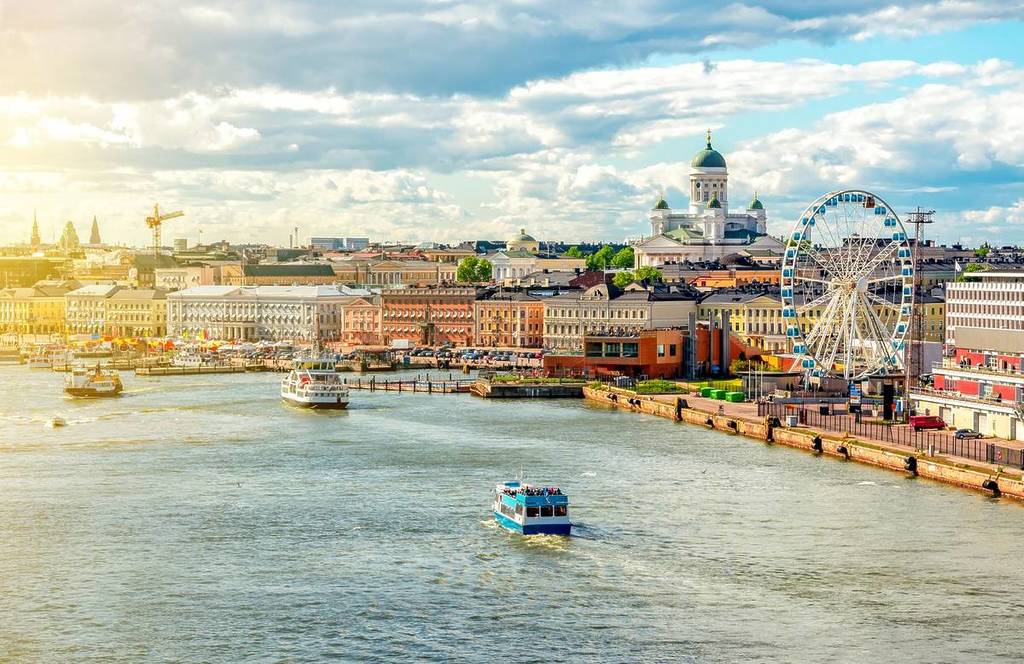
Finland has now topped the World Happiness Report for nine consecutive years, with Iceland and Denmark close behind once again.
The report says the country’s high levels of trust, strong social support and sense of freedom help explain why it continues to outpace the rest of the world.
The rest of the top 10 was similarly dominated by northern and western Europe, with Costa Rica the standout non-European entry at fourth. That broader pattern reinforces one of the report’s main findings: countries with strong welfare systems, social trust and stable institutions tend to score higher on life satisfaction.
What The Report Measures

The World Happiness Report does not rank countries on vibes alone. It uses data from more than 140 countries and combines six measures: GDP per capita, social support, healthy life expectancy, freedom to make life choices, generosity and corruption perceptions.
To make the comparisons fair, researchers use three-year averages, which means the 2026 rankings draw on data collected over the previous three years rather than a single snapshot. In other words, the result reflects a longer-term mood shift rather than one good or bad year.
Australia’s Youth Slide

The sharper story for Australia is not just its ranking, but who is feeling worse. The report says life satisfaction among under-25s has dropped significantly in Australia, alongside the US, Canada and New Zealand, with social media identified as a major factor behind the decline.
That finding lands in the middle of Australia’s new push to restrict social media access for children under 16, a policy the report’s authors say could be a useful model for other countries considering similar moves.
It also adds fresh pressure to a debate that has been building around whether digital life is making young people more connected, or just more miserable.
Global Standings
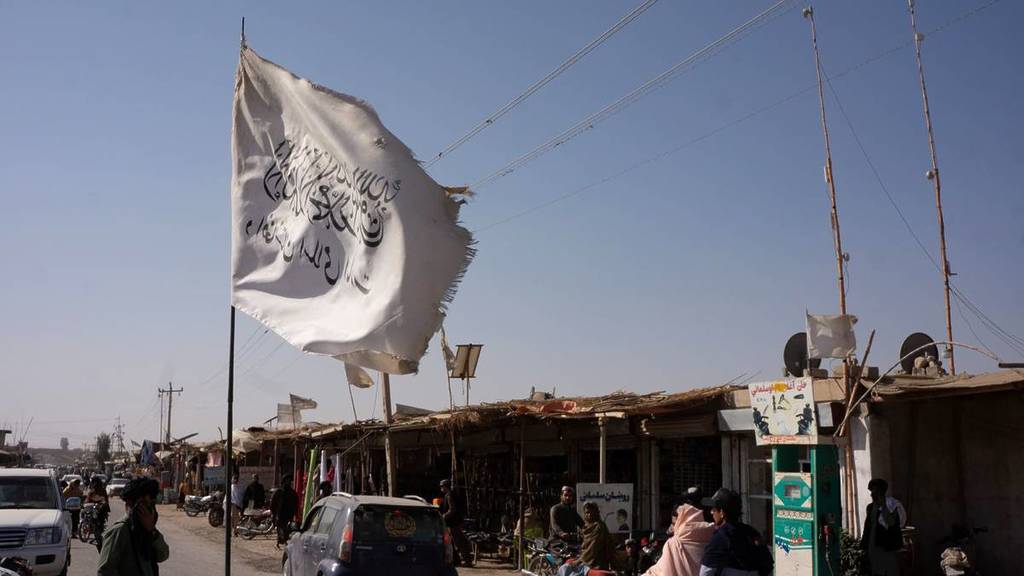
At the other end of the scale, Afghanistan remained the least happy country in the world, reflecting the combined impact of conflict, poverty and severe hardship. Countries facing instability or prolonged economic strain once again dominated the bottom end of the report.”
Australia is still scoring well on the basics of a good life, but not well enough to crack the happiness league’s top bracket. That is a relatively small drop in rank, but a notable reminder that wellbeing is being shaped by more than wages, weather and coastline.
For more details, find the full report here.