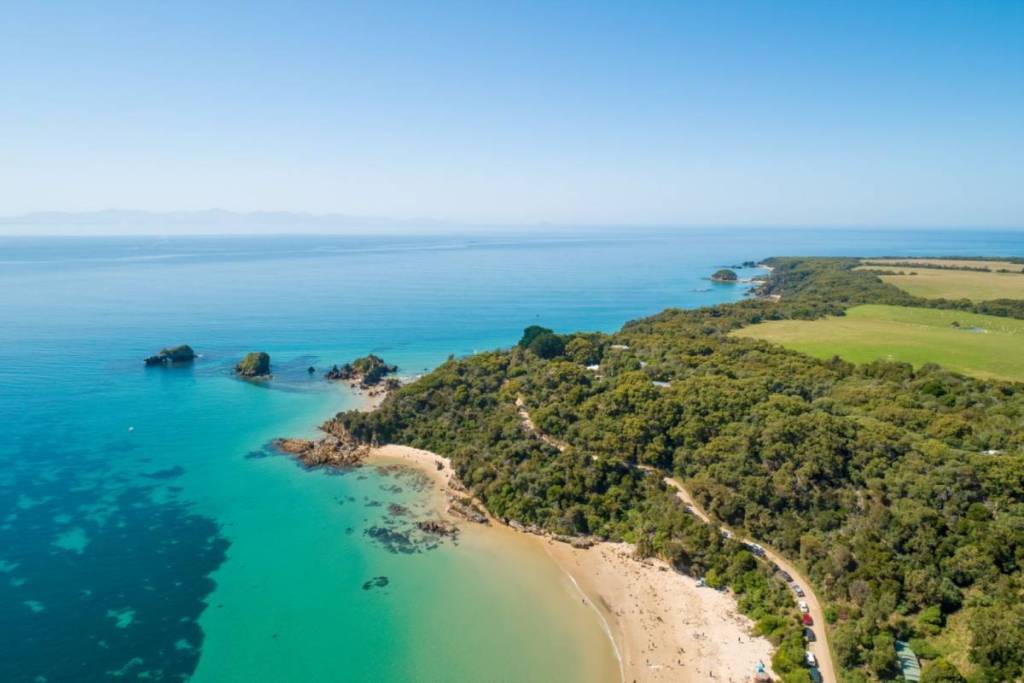

A little over two hours from Melbourne, the remains of an old industrial settlement sit on a remote stretch of Gippsland coastline. At Walkerville South, weathered limestone kilns rise from the sand, surrounded by clear water and the rugged landscape of Cape Liptrap Coastal Park.
When Melburnians want a beach escape, Wilsons Promontory is often the first place that comes to mind. But venture a little further off the familiar route and you’ll find a quieter alternative, where history and wild coastal scenery come together in an unexpectedly cinematic setting.
Once a busy limestone works in the late 1800s, Walkerville South is now a place to explore historic ruins, search rock pools at low tide, follow a track to an old cemetery and take in views across Waratah Bay towards the peaks of the Prom.
With spring bringing longer days and warmer weather to Victoria, it’s an ideal time to make the trip. Here’s what to know before heading to Walkerville South
A ghost town by the sea
In the late 1800s, this isolated coastline was home to a thriving limestone industry. Workers carved limestone from the surrounding cliffs and burned it in huge stone kilns built directly on the shoreline.
The quicklime was bagged and shipped away, helping fuel Melbourne’s building boom. The material was used in the construction of some of the city’s most recognisable heritage buildings, including Flinders Street Station.
The industry eventually disappeared, leaving the coastline to reclaim the settlement. The kilns remain, their stone walls weathered by more than a century of salt, wind and waves.
There’s no cafe-lined foreshore or holiday strip at Walkerville South. Instead, the lack of development leaves the beach feeling wonderfully remote, with the journey in and the wild landscape around it all part of the experience.
The landscape also changes with the tide. When the water retreats, rock pools emerge along the shoreline, revealing pockets of marine life among the rocks.
For families, there is another connection to Australian culture hidden in the landscape. This stretch of coast inspired Alison Lester’s beloved children’s book Magic Beach, with its sweeping beach, cliffs and caves capturing the imaginative quality of the place.
Things to do nearby in Walkerville
Walkerville South is the obvious starting point, but there’s plenty more to explore around Cape Liptrap Coastal Park. The sheltered beach is ideal for a swim when conditions allow, while low tide reveals rock pools and rocky outcrops along the shoreline. You can also walk towards Walkerville North along the beach at low tide, provided conditions are safe.
For more coastal scenery, the Point Smythe track winds through dense coastal vegetation before reaching the secluded Point Smythe Beach. The Limeburners Walk traditionally connects Walkerville North and South through coastal bushland and past the historic lime kilns, although Parks Victoria currently lists the track as closed due to landslips and coastal erosion, so check conditions before visiting.
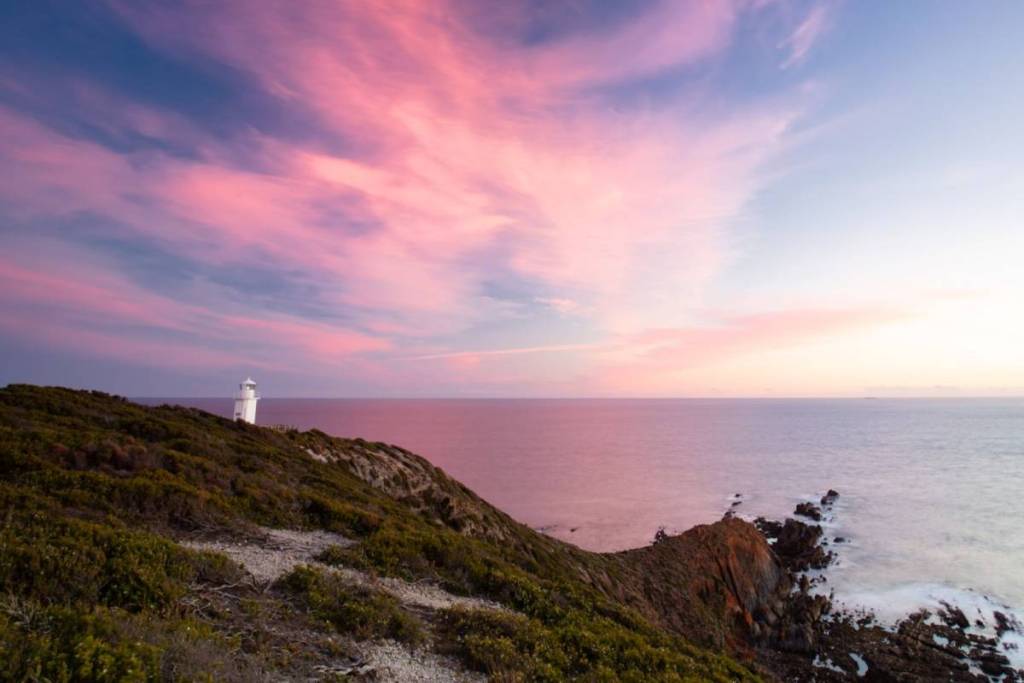
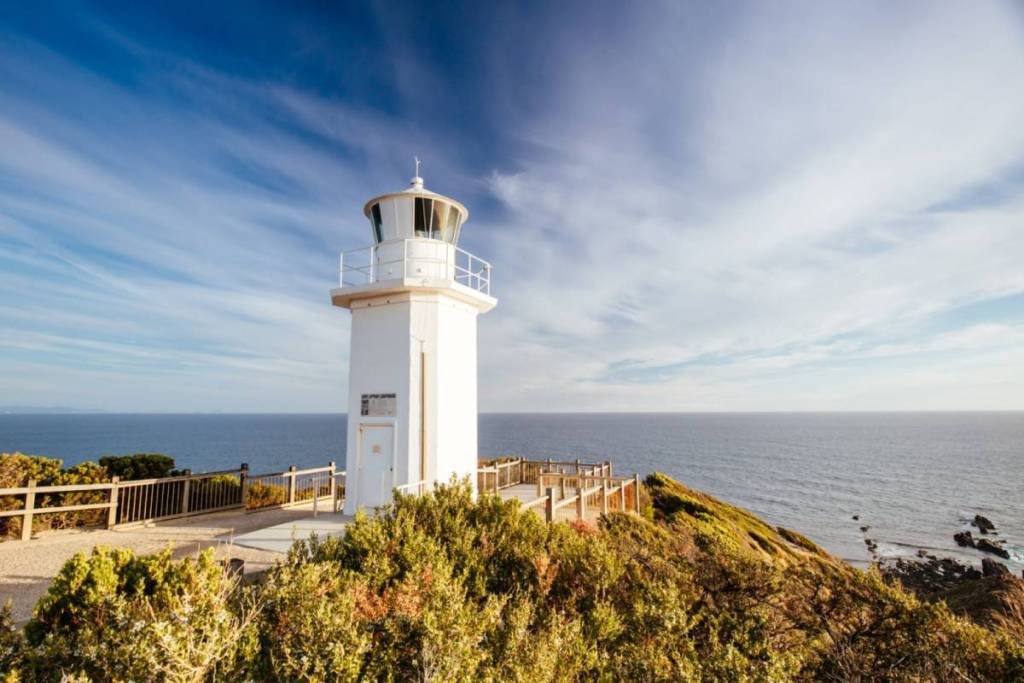
Further afield, Cape Liptrap Lighthouse sits on a windswept headland reached by a short walk, while the 750-metre Bald Hills Wetland Walk leads through paperbark and coastal vegetation to a bird hide overlooking the wetlands. Nearby Venus Bay and Waratah Bay are also worth adding to the itinerary if you have more time.
Where to eat near Walkerville South
Leave the beach for a bite to eat and make the food stop part of the road trip. In Walkerville North, Walky Kiosk is a handy stop for beach-friendly favourites including burgers, fish and chips, sandwiches and ice cream.
Further inland at Tarwin Lower, The Bird & The Wolf Cafe is known for burgers and a friendly local atmosphere, while the Riverview Hotel offers a more traditional country-pub stop beside the Tarwin River, with hearty pub classics, steak sandwiches, beer and local Gippsland wines.
If you’re a budget, fret not! Pack a picnic for the sand, then make your cafe or pub stop on the way home.
Getting there
The drive from Melbourne to Cape Liptrap takes roughly two hours and 35 minutes to three hours, depending on traffic and your exact destination.
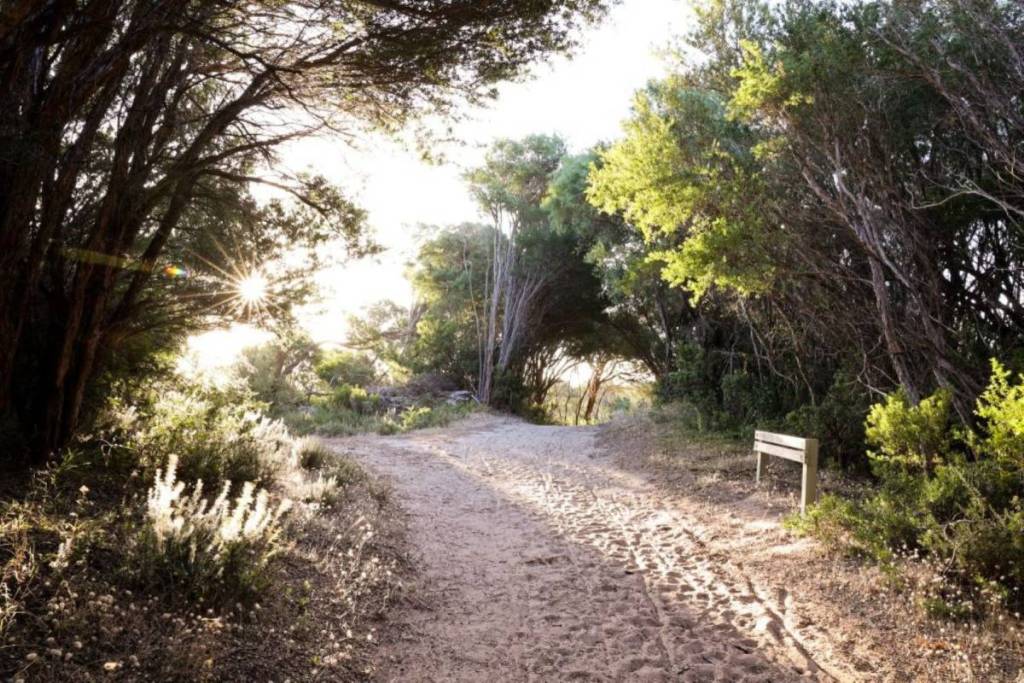
You’ll travel through Gippsland towards Tarwin Lower and Walkerville before taking the final roads into Cape Liptrap Coastal Park. The last stretch becomes considerably more rustic, with a winding unsealed road leading towards Walkerville South.
Check the tide before you go: the beach can become inaccessible at high tide, while lower water exposes the shoreline around the kilns and rock pools.