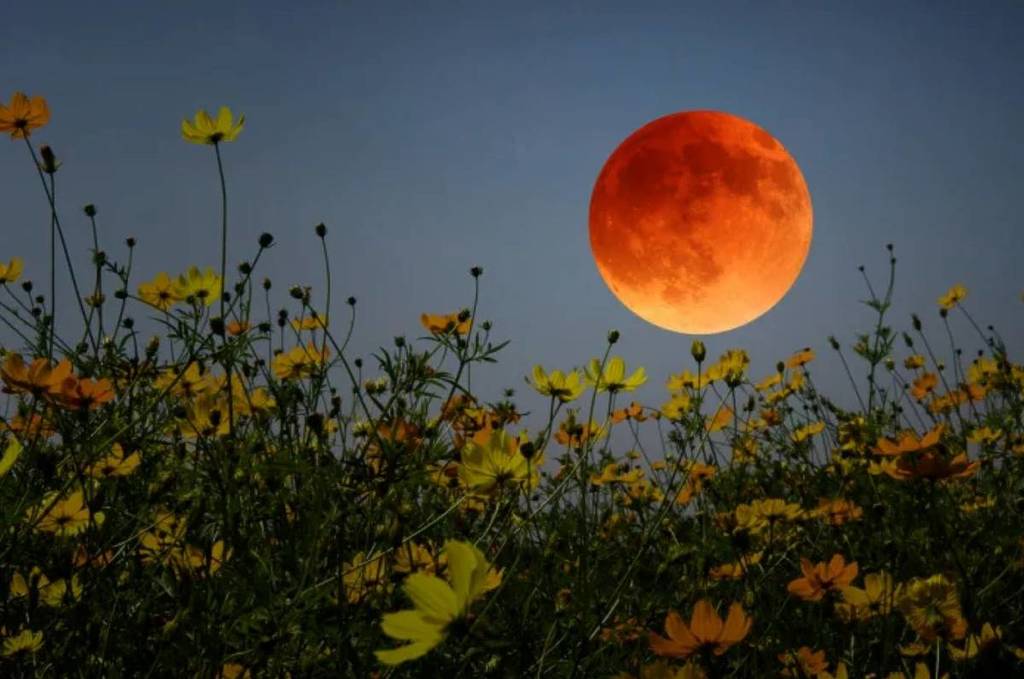

Melbourne’s night sky is in line for a lunar lift this evening, with May’s full Flower Moon rising just as daylight fades.
What Time To See The Flower Moon in Melbourne?
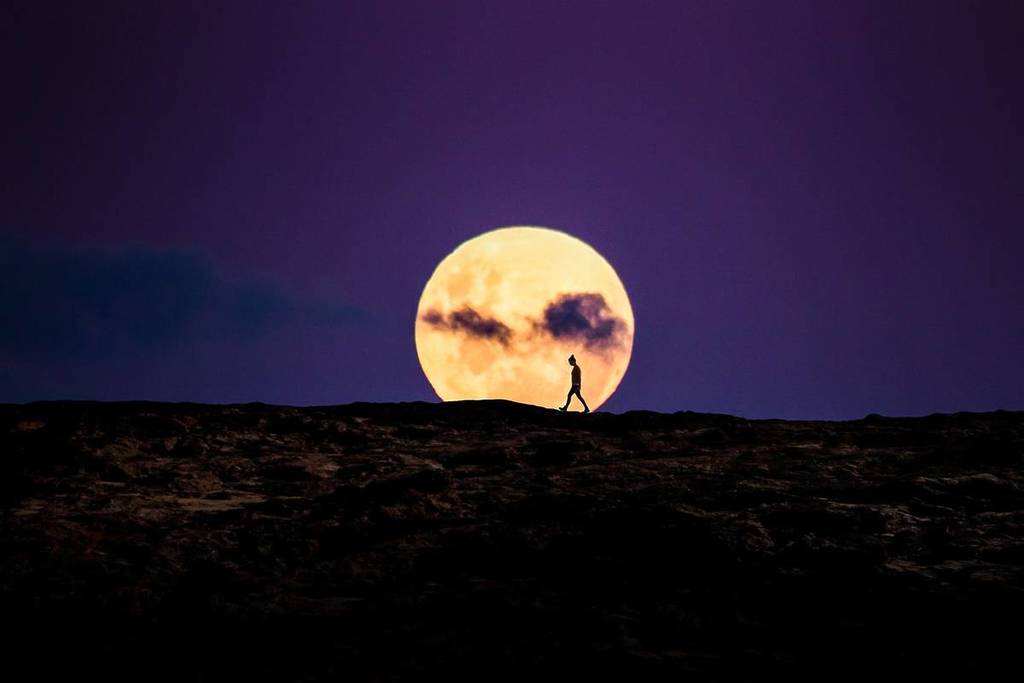
The 2026 Flower Moon peaks Australia-wide at 3:23am AEST on Saturday, May 2, but the best viewing in Melbourne will come on Friday evening, around moonrise at 4:55pm. That’s when the moon will climb into the eastern sky and, if conditions hold, give the city its best look at the full display.
The weather may be on Melbourne’s side, with forecasts pointing to clear conditions this evening and relatively low cloud cover. That gives sky-watchers a decent shot at catching the moon as it rises, even if the weekend itself turns less cooperative.
Where To See the Flower Moon in VIC?
In Melbourne, SkyHigh Mount Dandenong offers one of the most elevated viewing points in the state, sitting more than 600 metres above sea level in the Dandenong Ranges. While it’s known for sweeping views back over the city skyline, its height also makes it a standout spot to catch the Flower Moon rise from the eastern ranges, cutting through the haze before lighting up the suburbs below.
Closer to the water, St Kilda Pier delivers an easy, urban coastal option with front-row views across Port Phillip Bay. The breakwater is a popular spot to settle in as the moonlight reflects off the water, creating a relaxed, low-effort viewing experience just minutes from the CBD. Nearby, the Shrine of Remembrance offers a more formal but equally striking vantage point. Perched on an elevated hill, it looks east over the Royal Botanic Gardens, where the moon rises above the treeline against the fading twilight sky.
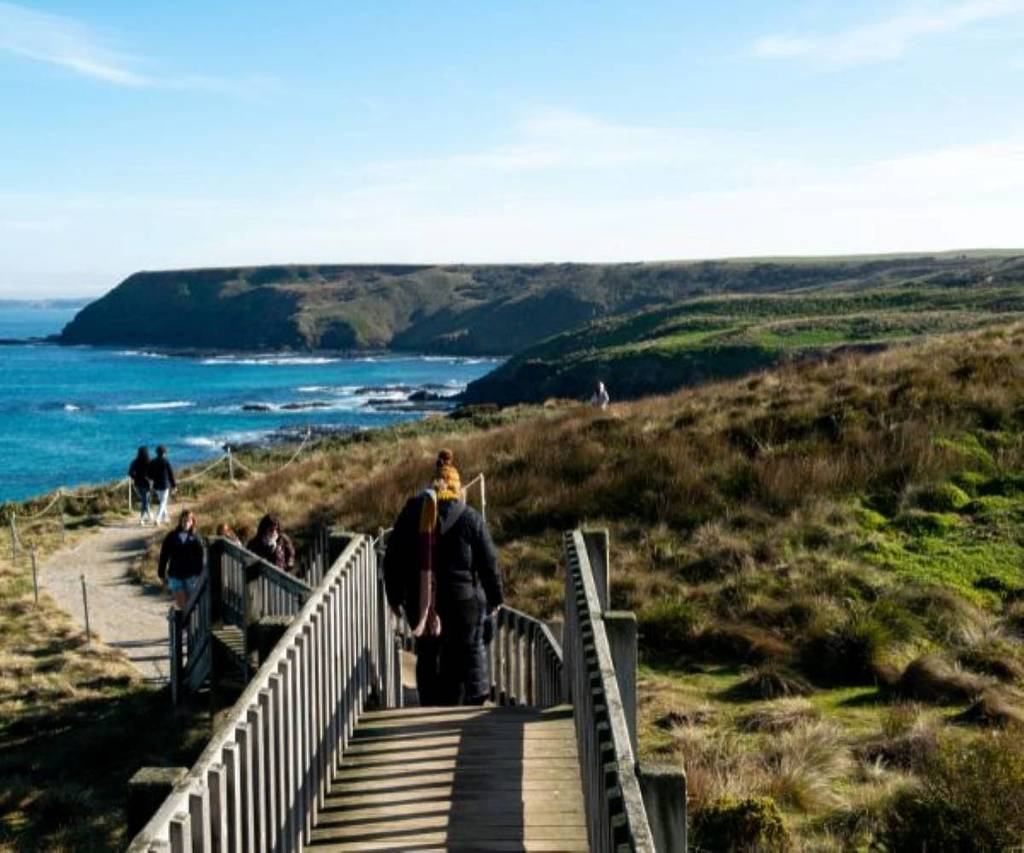
Across regional Victoria, Boroka Lookout in the Grampians provides one of the most dramatic inland perspectives, with east-facing views over the Wonderland Range and Fyans Valley, ideal for watching the Flower Moon crest the horizon and spill light across the landscape. On the coast, Pyramid Rock Lookout on Phillip Island combines dark skies with a clear ocean horizon, where the moon rises over Bass Strait and silhouettes the rugged rock formations below.
Why This Full Moon Is A “Micromoon”?
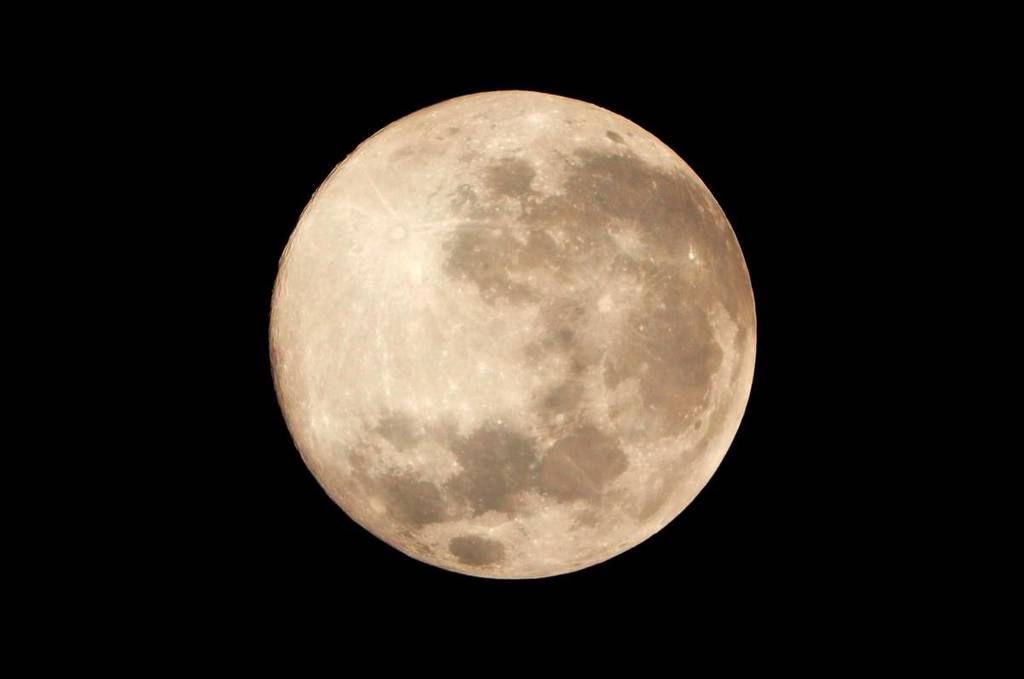
This year’s Flower Moon is also a “micromoon“, meaning it’s reaching apogee, the furthest point in its orbit from Earth. That makes it appear a touch smaller and dimmer than a regular full moon, though the effect is subtle enough that most people won’t notice it with the naked eye.
Instead, the well-known “moon illusion” takes over near the horizon, making the rising moon appear oversized against buildings, coastlines and trees.
The Flower Moon is the traditional name for May’s full moon, tied to the burst of spring blooms in the Northern Hemisphere. In Australia, it lands in autumn, but the name has stuck, and it brings a bit of seasonal poetry with it.