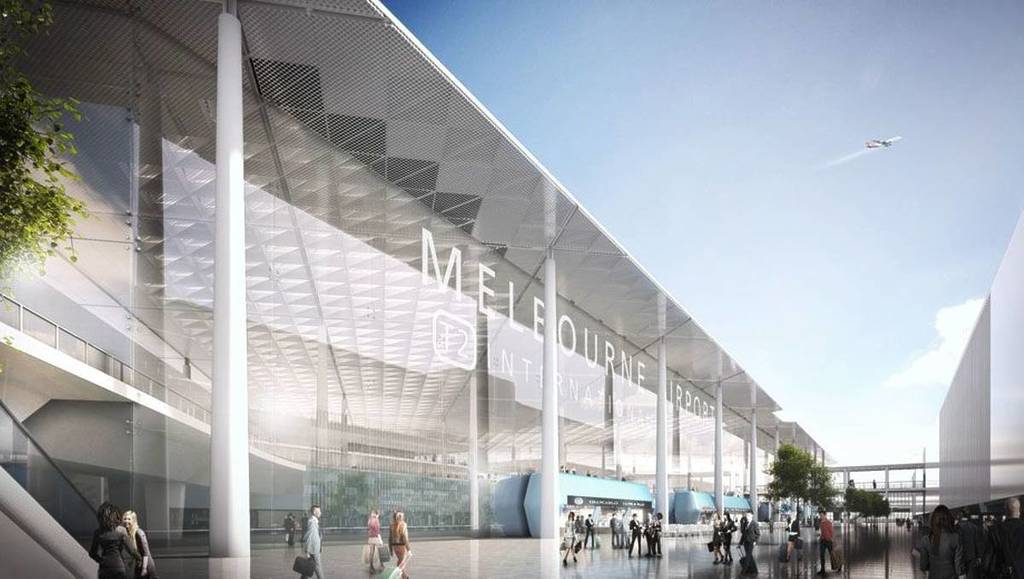

Australia’s busiest 24-hour airport, Melbourne Airport, is gearing up for take-off into a new era of international travel.
Following a record-breaking summer for international arrivals, Melbourne Airport has announced a $4.5 billion expansion of its international terminal—the biggest overhaul in its history—as Victoria cements its place as Australia’s gateway to the world.
The project will stretch across several years, adding five new aircraft gates, a sprawling check-in hall fitted with next-generation baggage tech and a revamped arrivals area designed to move passengers through customs faster than ever.
It’s an ambitious plan for an airport that never sleeps—and one that comes as global travel surges well past pre-pandemic levels.
“This city’s love affair with travel isn’t slowing down,” said Melbourne Airport CEO Lorie Argus, confirming the expansion would position the airport to handle the next two decades of growth. “As Melbourne grows, demand for air travel is growing too, and we’re investing billions of dollars to deliver the infrastructure we need to accommodate that.”
According to the airport, January 2026 smashed records with 1.26 million international passengers passing through—the highest ever in a single month. That rush of travellers is putting pressure on facilities that were originally built for far quieter days.
More Space, More Flights, More Jobs

The expansion will extend the airport’s footprint, creating more lounges, retail precincts and waiting areas—a welcome move for both travel-weary arrivals and families playing the dreaded “spot the suitcase” game at baggage claim.
A new meeters-and-greeters zone and extra carousels promise smoother handovers at arrivals, while upgraded common-use check-in systems will help airlines turn around flights more efficiently.
The overhaul comes ahead of Melbourne Airport’s long-planned third runway, due by 2031, a project expected to boost flight capacity and open new international routes. Once both developments are complete, Melbourne will have one of the most capable 24-hour airport operations in the southern hemisphere.
Assistant Minister for Citizenship, Customs and Multicultural Affairs Julian Hill MP welcomed the project, calling airports “critical infrastructure connecting people with family, friends, and work.” He said the federal government is committed to supporting improvements at border checkpoints to handle Australia’s growing travel demand.
Melbourne’s Global Position
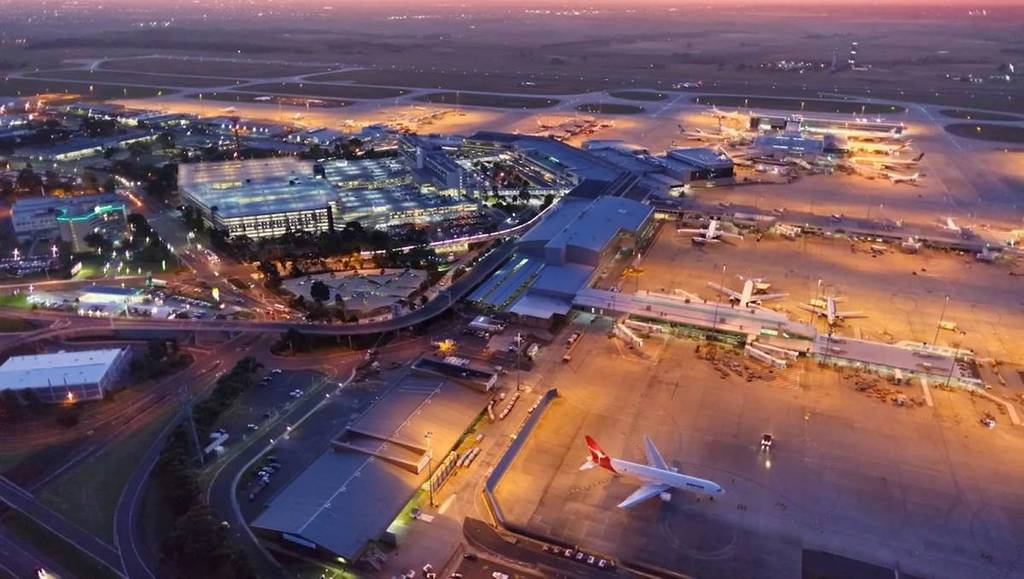
Industry analysts have noted that Melbourne’s strong outbound market— fuelled by post-COVID revenge travel and Victoria’s record tourism numbers—has helped the airport bounce back faster than many predicted.
With every international flight estimated to inject $190 million into the Victorian economy each year, the expansion increases capacity along with growth, trade and jobs.
Preliminary construction will begin once the airport’s new road network opens in September 2026, setting the stage for a transformation that will ripple far beyond Tullamarine’s terminals.
Call it an upgrade, but really, it’s Melbourne’s next move in staying one step ahead of the world.