
Twenty years ago, Sydney sparked a global movement with a simple idea—switch off the lights for one hour to show support for the planet.
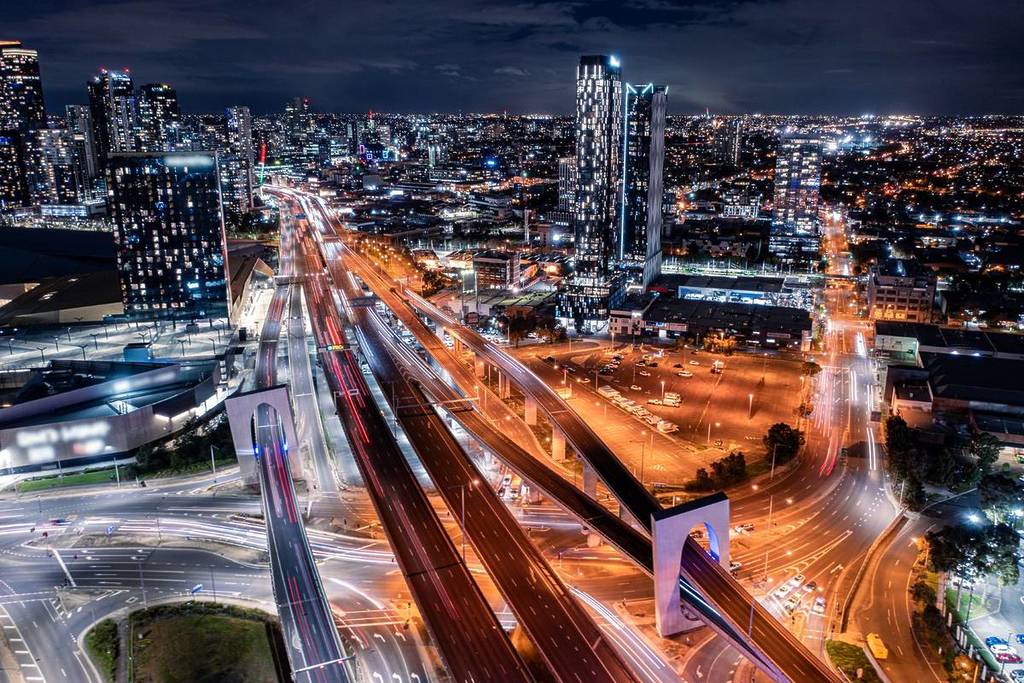
This Saturday, 28th March 2026, that idea returns with renewed energy as Earth Hour marks its 20th year, and Melbourne’s skyline will again dim to join millions around the world in the symbolic call for climate action.
Since, Earth Hour has become the world’s largest grassroots environmental movement, uniting more than 190 countries under one message: small actions can spark global change.
Where To See The Lights Go Out
At 8:30pm, watch some of the city’s most recognisable landmarks go dark, including:
- AAMI Park
- Margaret Court Arena
- Lanson Place Parliament Gardens
- John Cain Arena
- KIA Arena
- Australia Post (support offices)
From the Yarra to the Esplanade, the brief blackout will create a moment of stillness to remind us what’s at stake—and what’s possible when collective action takes centre stage.
WWF-Australia, the organisation behind Earth Hour, says the anniversary comes at a critical time.
“In just one hour in Australia, habitat destruction displaces, harms, or kills over 500 native mammals, releases more than 6,200 tonnes of greenhouse gas emissions, and risks the loss of one species forever,” the group said in its campaign launch.
Make An Evening Of it
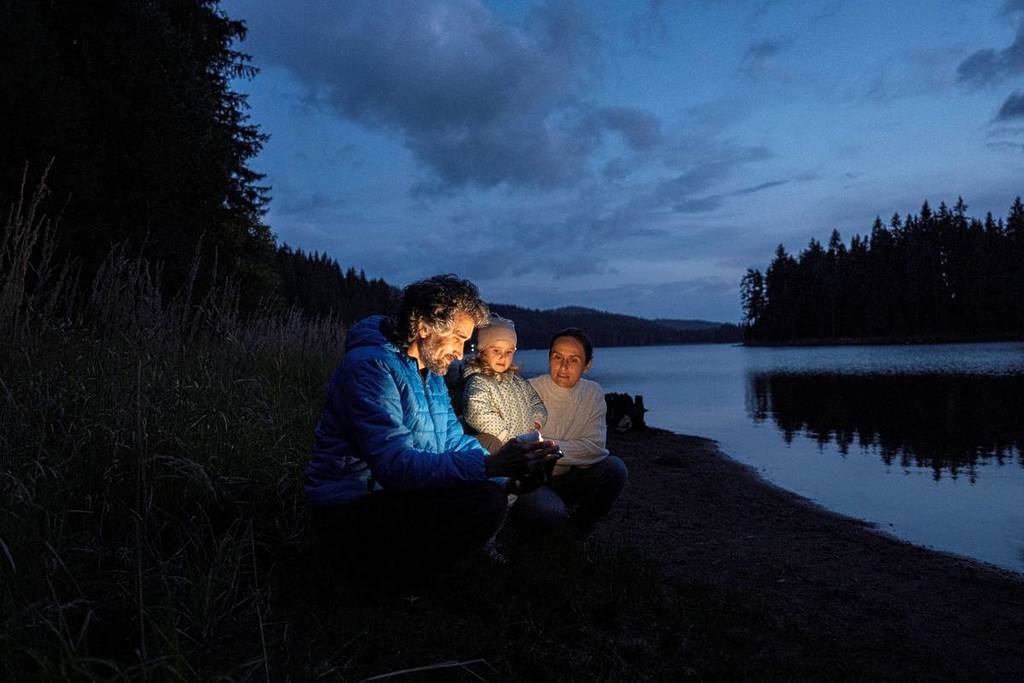
Make a night of it—locals can bring the kids, grab an ice-cream or simply pause along the river to watch the lights fade and the stars sharpen overhead. Whether you’re standing outside Rod Laver Arena or at home flicking the switch, every light out counts.
Since beginning in Sydney in 2007, Earth Hour has grown into the world’s largest grassroots environmental movement—from the Opera House to the Eiffel Tower, the lights-out gesture has become a universal signal of hope and action for nature.
Finally, Melburnians can learn how to get involved or host their own Earth Hour event by visiting earthhour.org.au/switch-off.