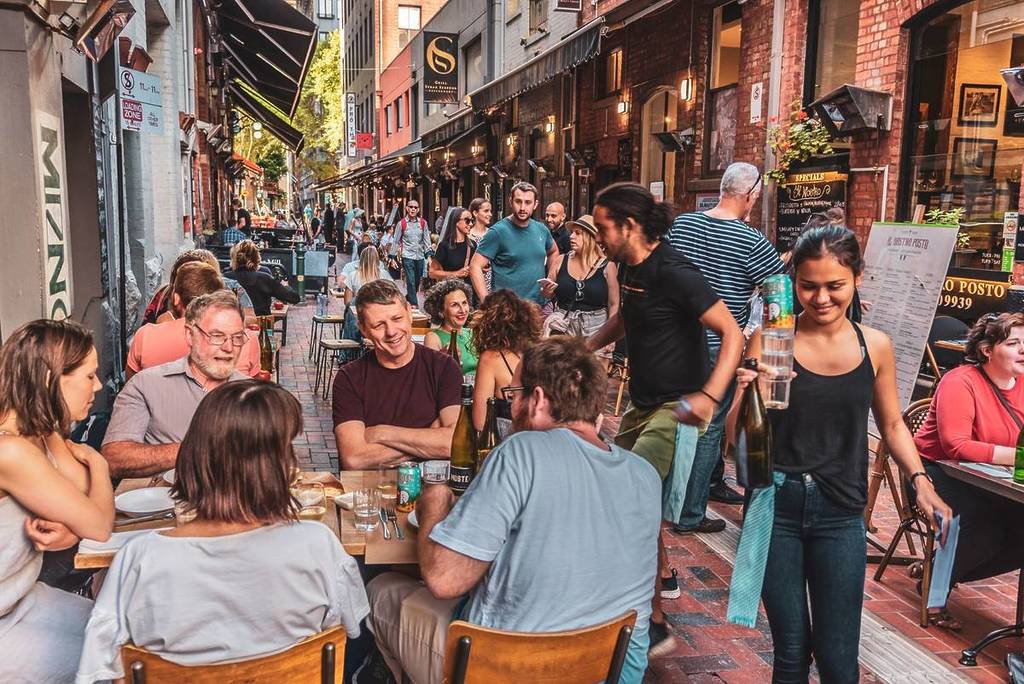

Melbourne has just added another title to its ever-growing list of bragging rights—officially crowned the world’s most diverse food city, beating global heavyweights like London, Paris and New York.
The ranking, released by travel eSIM company Holafly, analysed cities across the globe to find where diners can access the widest mix of cuisines, fine dining and dietary-friendly options.
Melbourne came out on top, with a striking 79% of its restaurants serving international cuisine—the highest share of any city studied.
A Global Menu on Every Corner
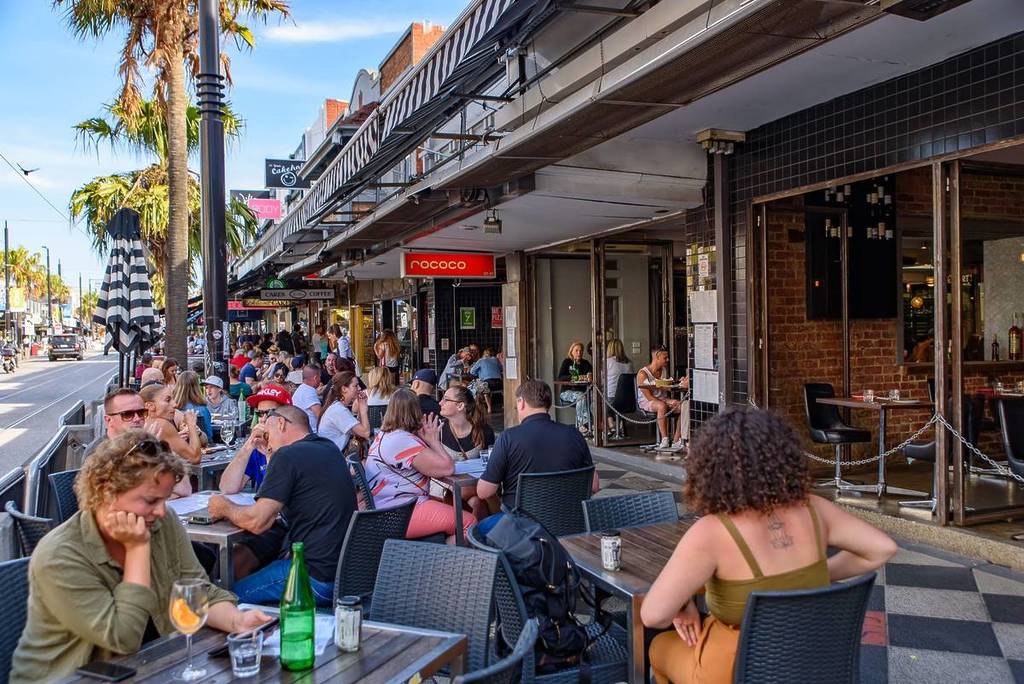
It’s a stat that feels instantly believable to anyone who’s spent time eating their way across Melbourne. On any given day, you can start with a Lebanese brunch in Coburg, grab hand-pulled noodles in the CBD, snack on Korean fried chicken in Carlton and finish with a late-night cannolo in Lygon Street—all without ever doubling back.
And that diversity runs deeper than just surface level. According to the data, Melbourne’s dining scene spans everything from Italian (12.4%) and Chinese (10.1%) to Japanese (9.2%), Indian (6.7%) and Vietnamese (5.6%), with smaller but significant pockets of Turkish, Greek and Mexican cuisine adding to the mix.
Lebanese food alone makes up a notable 27.2% of offerings in the dataset—reflecting the city’s deep ties to Middle Eastern communities.
How The Rankings Stacked Up
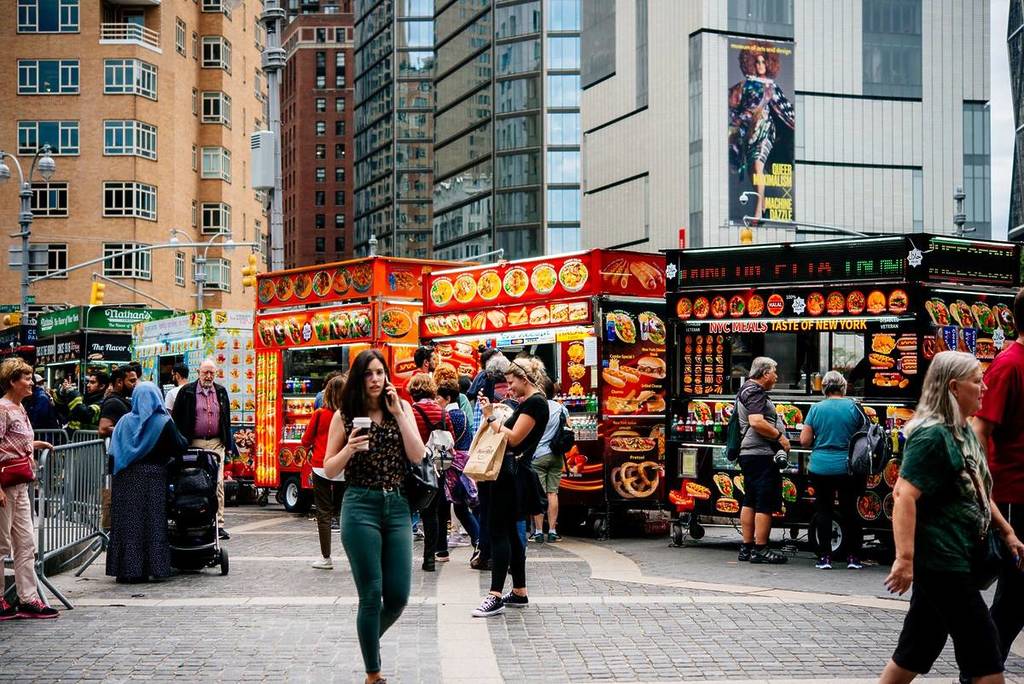
Researchers pulled data from Tripadvisor and broader “World’s Best Cities” rankings, comparing the ratio of local to international cuisine alongside factors like Michelin-starred restaurants and the availability of vegetarian and gluten-free dining.
While cities like San Francisco and Paris dominated fine dining, and London led the way in gluten-free options, Melbourne’s strength lay in its sheer range.
Berlin and Miami followed closely behind, with 78% and 75% international cuisine respectively, but neither matched Melbourne’s balance of accessibility, variety and café culture—a defining feature that continues to shape how locals and visitors experience the city.
The result reinforces something Melburnians have long claimed—that this is a place where food goes beyond sustenance or even indulgence to become a cultural language. Migration, community and creativity have all left their mark on the menu, turning the city into a kind of edible atlas.
And at a time when travellers are increasingly choosing destinations based on what—and how—they can eat, this diversity is a point of pride but also a serious tourist pull.
You can explore the full report for the “World’s Most Diverse Food Cities” ranking here.