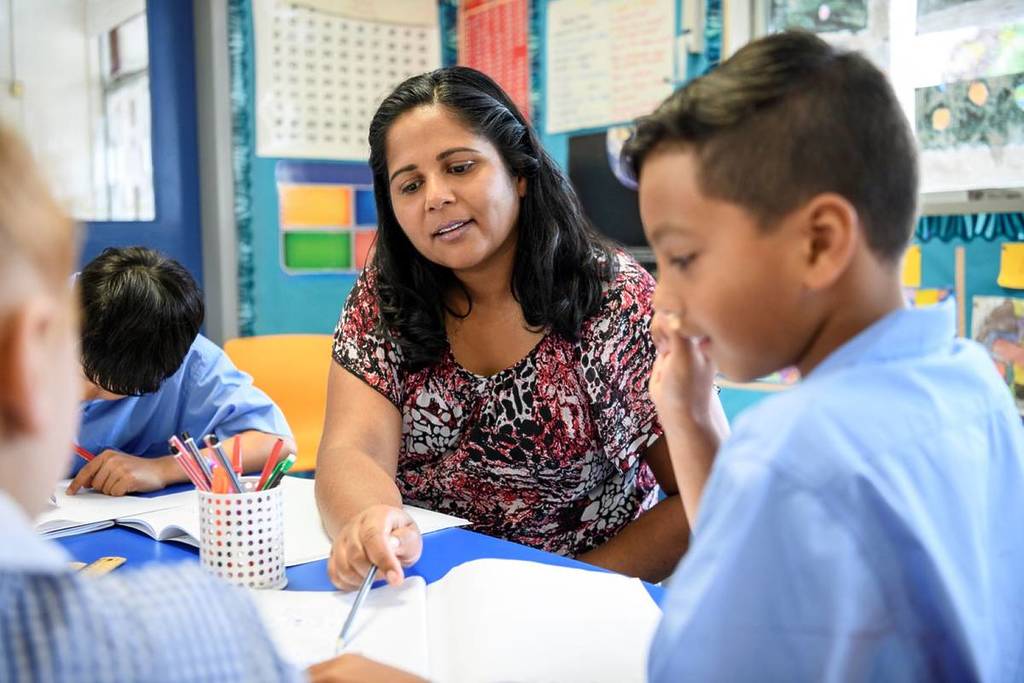

Hundreds of thousands of Victorian families will benefit as the state expands its Free Kinder program in the 2026/27 budget.
The nearly $500 million package will fund new kindergarten builds, upgrades and language programs across the state, as demand for early learning continues to grow alongside Melbourne’s expanding suburbs.
What’s New?
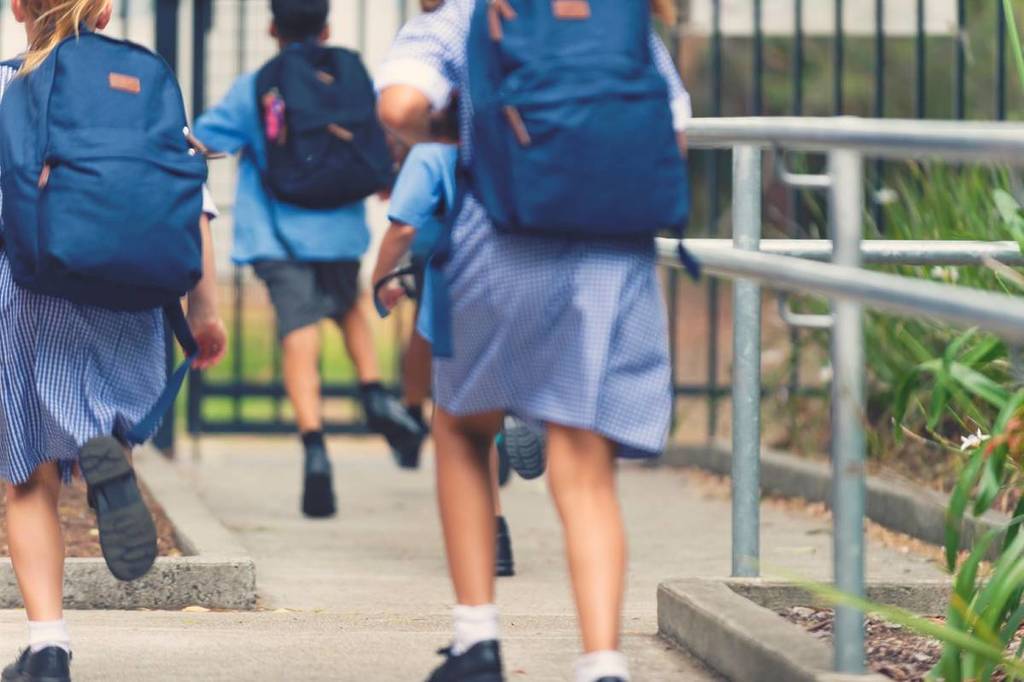
Under the plan, the government will deliver up to 22 new kindergartens on school sites, five Early Learning Victoria (ELV) centres and provide grants for 27 additional new or upgraded kinders.
The government will roll out many of these projects in high-growth areas, where access to early learning has struggled to keep pace with population growth.
The investment also includes $9.8 million to continue the Building Blocks Improvement and Inclusion Grant program, aimed at making centres safer, more accessible and better equipped to support children of all abilities.
Free Kinder, introduced in 2023, has already reached around 570,000 children across Victoria. Families have saved up to $5,200 per child, easing pressure at a time when childcare and living costs remain high.
Expanding Bilingual Kinder Across Victoria
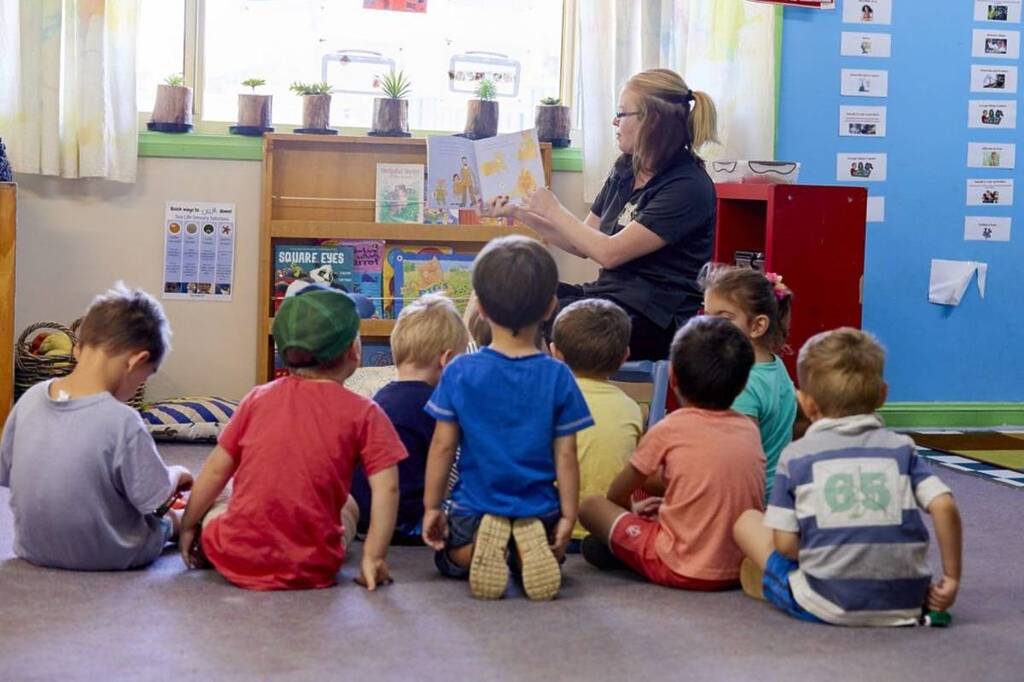
Alongside expanding access, the state is also doubling down on cultural and language education. A further $3.6 million will go towards bilingual kindergarten programs through the Early Childhood Language Program.
Nearly 7,000 children are already learning a second language in kinder settings, with the program set to expand to 197 centres teaching 21 languages. These include widely spoken community languages such as Arabic, Mandarin, Greek, Hindi and Vietnamese, as well as Auslan and several Victorian Aboriginal languages.
Rather than traditional classroom instruction, the language learning is woven into everyday activities—from storytelling and music to games and play—with kindergarten teachers working alongside language specialists.
Minister for Multicultural Affairs Ingrid Stitt added that bilingual programs help strengthen cultural connections from a young age. “Bilingual kinders give kids the opportunity to connect and share in language and culture across generations,” she said.
The latest funding builds on a broader push to integrate early learning with primary education, with more kinders co-locating on school sites—a model education experts say can help smooth children’s transition into formal schooling.
With enrolments expected to rise in the coming years, particularly in Melbourne’s outer suburbs, the expansion signals a continued focus on making early childhood education more accessible, inclusive and embedded within local communities.