Victoria has edged closer to hosting what could become the Southern Hemisphere’s largest wind farm, after the state government signed off on a key step in the project’s approval process.
Planning Minister Sonya Kilkenny this week approved the Environment Effects Statement (EES) for the proposed Warracknabeal Energy Park in the state’s north-west, effectively clearing one of the most significant regulatory hurdles facing the development.
A project of massive scale
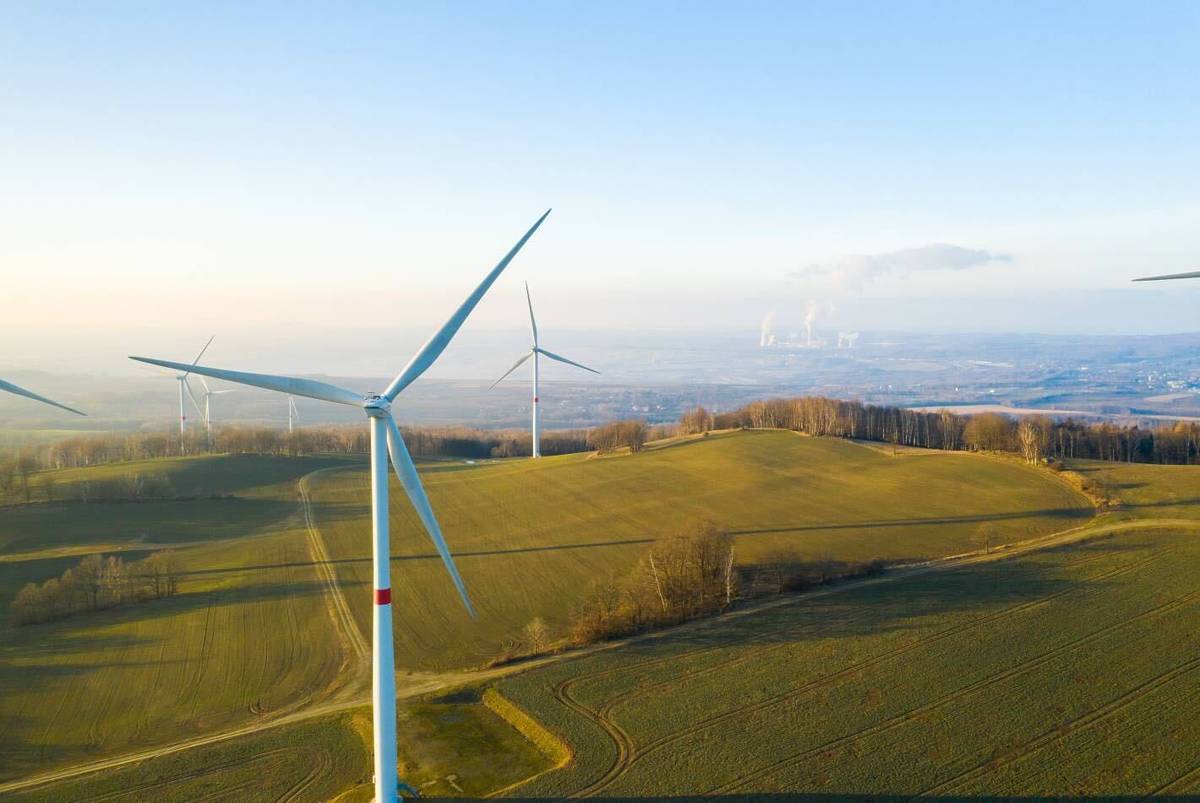
If completed, the project would see 219 turbines installed across the Wimmera region, generating more than 1.5 gigawatts of electricity. That output would be enough to power up to 1.2 million homes—roughly equivalent to every household in greater Melbourne—while contributing an estimated 12.5 per cent of Victoria’s future energy needs.
The scale of the proposal positions Warracknabeal as a cornerstone in Victoria’s broader renewable energy pipeline, as the state pushes towards legislated targets of 65% renewables by 2030 and 95% by 2035.
According to the Australian Energy Market Operator (AEMO), projects of this size will be critical as coal-fired power stations continue to retire over the coming decade.
Kilkenny said the EES process—which included technical assessments, community consultation and a public inquiry—demonstrated the project could meet the state’s environmental standards. “This is a major step towards delivering the biggest wind farm in the Southern Hemisphere, right here in Victoria,” she said.
Jobs and regional impact
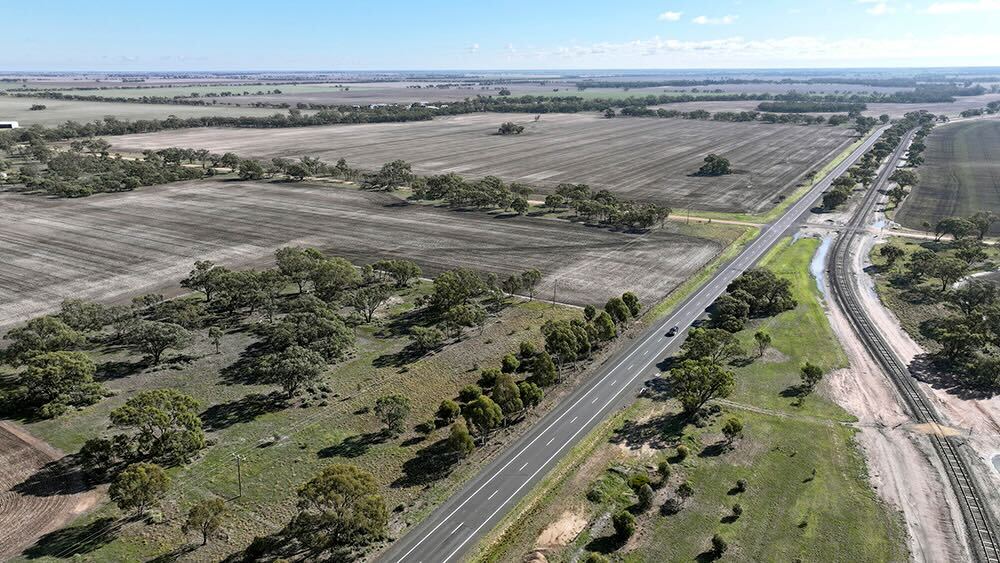
The project will create close to 950 construction jobs and generate ongoing operational roles, boosting communities across the Wimmera economy.
Although the project has cleared the state-level environmental assessment process, it must still secure sign-off from the Commonwealth under national environmental laws, a process that can add further scrutiny, particularly around biodiversity and land use impacts.
The proposal also lands amid an increasingly politicised debate around renewable infrastructure, transmission development and regional land use. Large-scale wind and solar projects have drawn both support and resistance across Victoria, particularly in farming communities balancing economic opportunity with landscape and environmental concerns.
Still, as coal generation steadily exits the grid and energy demand grows, projects like Warracknabeal will play a central role in reshaping how the state powers itself over the next decade.