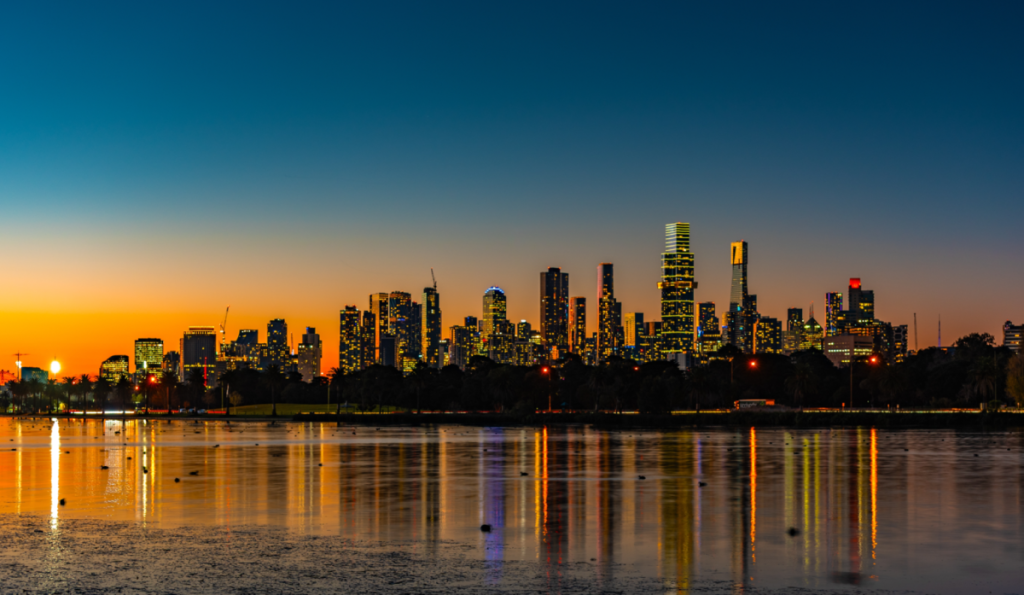

Melbourne’s long, light evenings are almost back. On Sunday, 4th October, 2026, daylight saving will return to Victoria, pushing the clocks forward by one hour and giving us more sunlight at the end of the day.
The annual clock change arrives just as Melbourne shakes off winter, with spring underway, temperatures climbing and suddenly a very good reason to stay out a little longer.
When does daylight saving start in Melbourne?
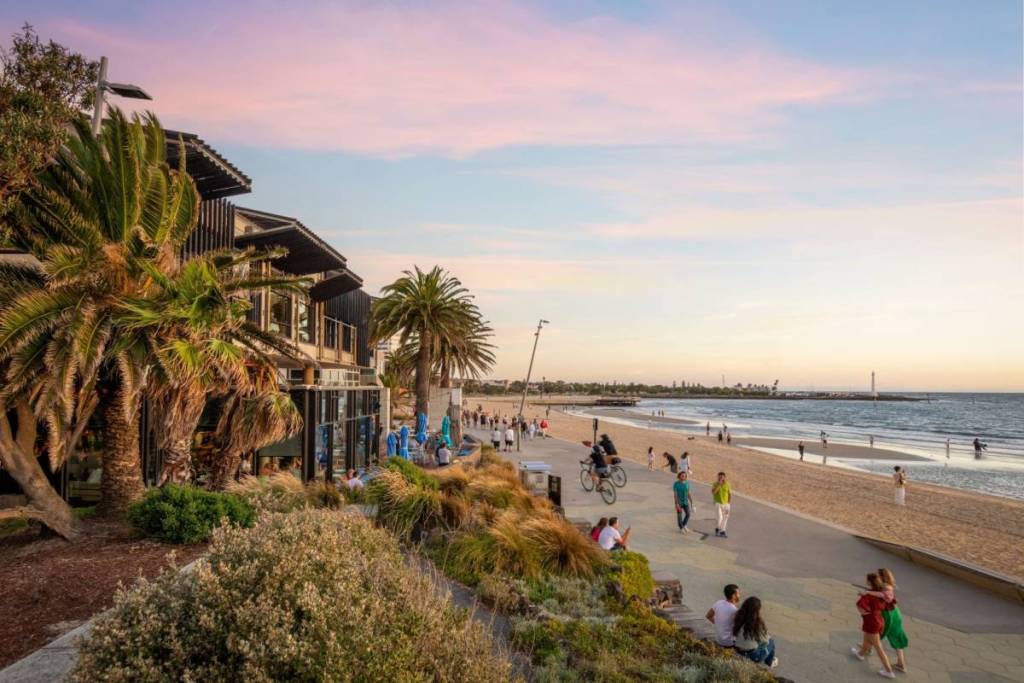
Come Sunday, 4th October, the clocks will spring forward as daylight saving returns to Victoria. At 2am, the clocks will jump forward to 3am, meaning we’ll lose an hour of sleep overnight. In practical terms, the 2am-to-3am hour simply disappears, making 4th October a 23-hour day by the clock.
Most smartphones, computers and internet-connected devices should make the switch automatically, but you’ll need to manually move analogue clocks and watches forward by an hour.
The trade-off is that more daylight shifts into the evening. From 4th October, sunrise and sunset will both arrive roughly an hour later than the day before, giving Melbourne brighter afternoons and longer evenings.
So while you might feel a little bleary that Sunday morning, there’ll be more time for a post-work stroll, an outdoor dinner, a drink with friends or a lazy park hang once the sun stays up later.
Why does Victoria have daylight saving?
Victoria is one of several parts of Australia that shifts its clocks for daylight saving. The same applies in New South Wales, the Australian Capital Territory, Tasmania and South Australia, as well as Norfolk Island. However, Queensland, Western Australia and the Northern Territory sit outside the daylight-saving schedule, so their clocks remain unchanged.
It’s an easy detail to overlook when you’re booking a flight, planning an interstate call or trying to work out what time something starts on the other side of the country.
Australia’s daylight-saving story stretches back more than a century, with several states introducing the practice during the First World War to make better use of daylight and conserve energy. It was later scrapped and brought back at various points before Victoria settled into its current seasonal schedule.
These days, daylight saving begins at 2am on the first Sunday in October, when clocks move forward to 3am, and ends at 3am on the first Sunday in April, when they wind back to 2am.
What about babies and young kids?

The lost hour can be especially noticeable if you’ve got young children at home. Babies and toddlers may take a few days to settle into the new schedule, while the later sunsets can make an already-early bedtime feel even earlier.
If your household sticks to a strict sleep routine, gradually shifting bedtimes and wake-up times in the days before 4th October can help make the adjustment a little easier.
Luckily, there’s no need to think about the next clock change just yet. The 2026–27 daylight-saving period will run through the warmer months, ending on Sunday, 4th April, 2027.
For now, though, Melbourne has a long stretch of lighter evenings ahead and we intend to make the most of every last minute.
Daylight Savings in Melbourne, Victoria
Start date: Sunday, 4th October 2026
Clock change: 2am → 3am
End date: Sunday, 4th April 2027
States affected: Victoria, NSW, ACT, Tasmania and South Australia