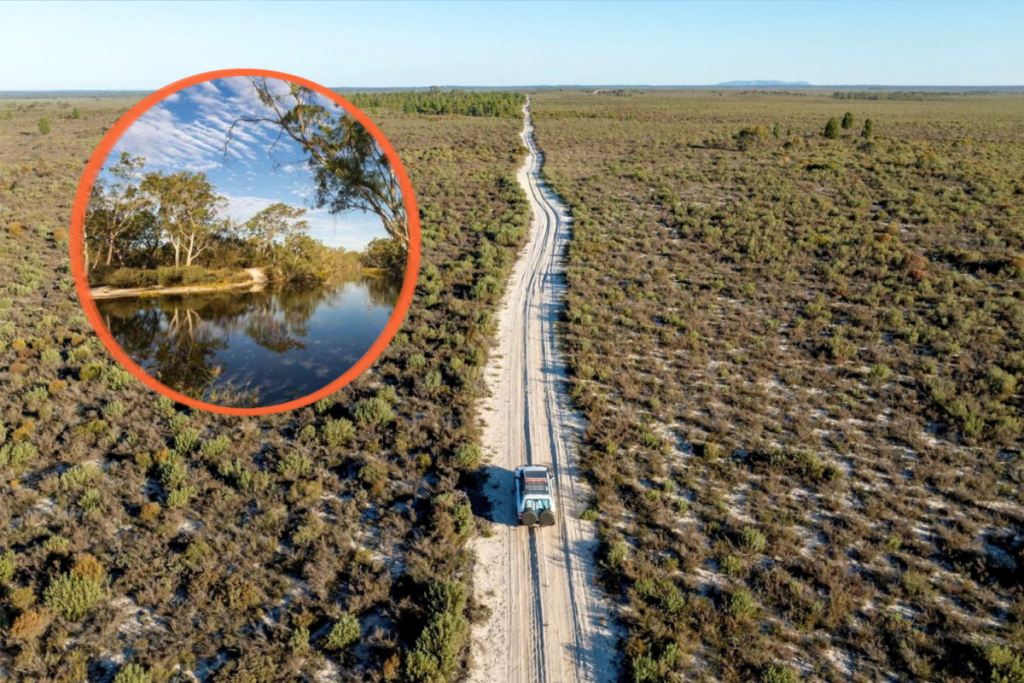

More than a year after a fast-moving blaze tore through Little Desert National Park, travellers from Melbourne can once again venture into the park’s Central Block.
The reopening, which took effect on 15th September 2026, restores access to several of the region’s best-known 4WD routes, camping areas and nature spots, including McDonald Highway, Broughton’s Waterhole, Stan’s Camp and Red Gum Camp.
For anyone craving a proper off-grid escape, it is a chance to see a landscape in the early stages of recovery—where blackened trees, fresh green growth and spring wildflowers now sit side by side.
A landscape recovering after fire
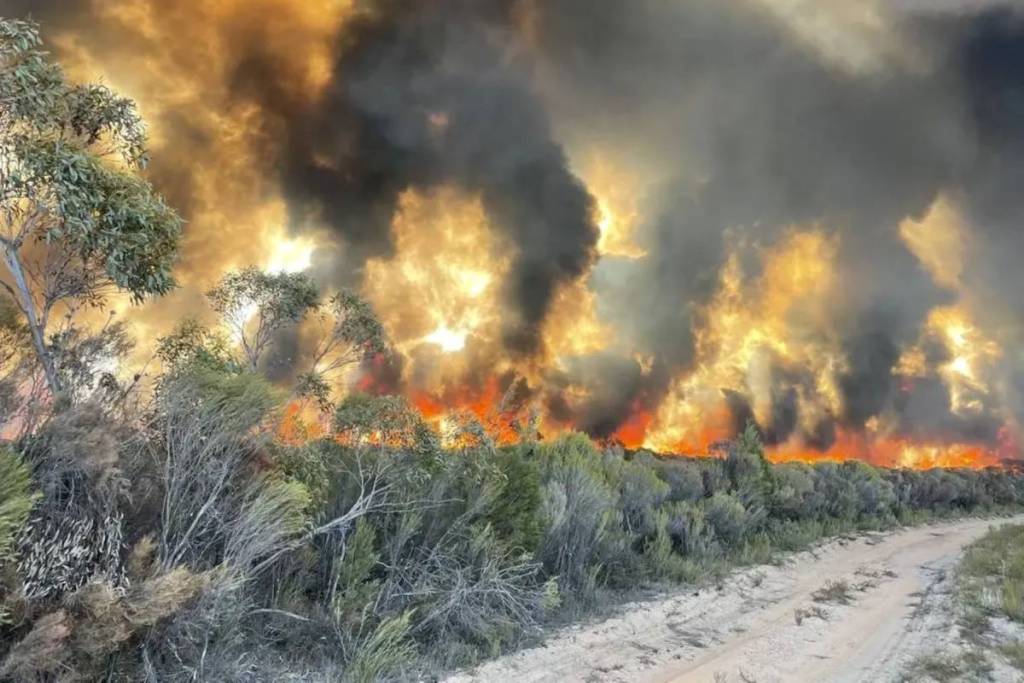
In January 2025, dry lightning sparked a large bushfire in Victoria’s Wimmera region. The blaze spread rapidly, eventually burning around 95,000 hectares—about 70% of Little Desert National Park.
The scale of the damage meant large sections of the park remained closed while authorities repaired roads, assessed visitor infrastructure and allowed native plants and animals time to recover.
Little Desert is known for its sandy tracks, rolling dunes, heathlands, woodlands and pockets of river country. Despite its name, it is not a barren desert. Its varied soils support a surprisingly diverse landscape where plants and animals have adapted to low rainfall and difficult conditions.
Spring brings some of the first visible signs of recovery, with wildflowers and fresh green shoots beginning to emerge across the landscape.
What has reopened
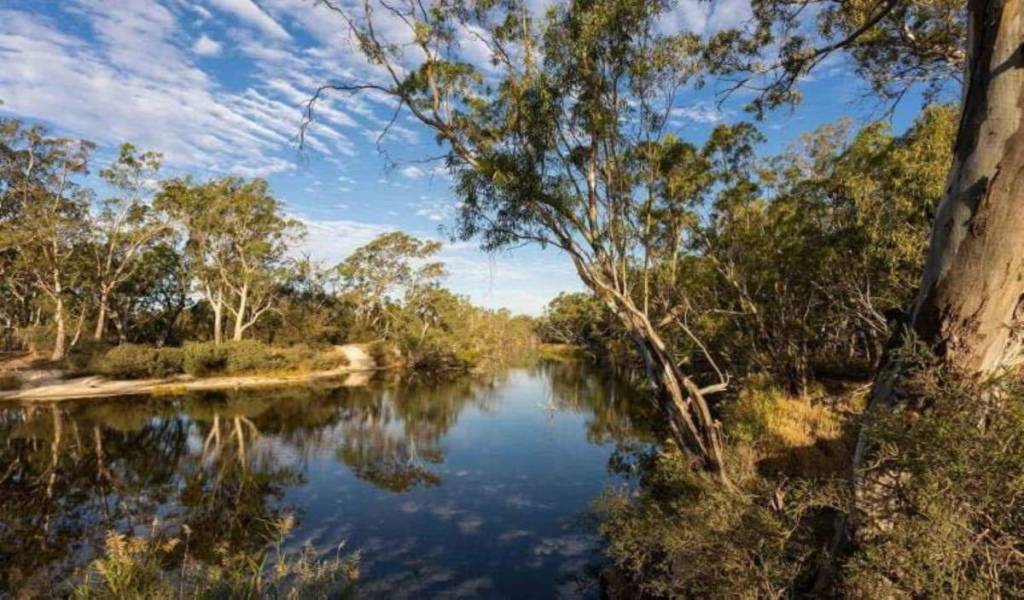
The newly accessible Central Block sits between Kaniva-Edenhope Road and Nhill-Harrow Road.
Visitors can now return to:
• McDonald Highway, a key route through the Central Block and an important navigation landmark.
• Broughton’s Waterhole, a scenic stop where visitors can experience the park’s changing vegetation and wildlife.
• Stan’s Camp, a remote camping area surrounded by the park’s sandy, semi-arid landscape.
• Red Gum Camp, another camping option for travellers looking to spend the night beneath the stars.
The reopening adds to areas that had already returned in stages, including the Horseshoe Bend and Ackle Bend campgrounds and day visitor areas, as well as Pomonderoo Hill. The Western Block, including 4WD tracks and dispersed camping areas, also remains open.
A 375-kilometre escape from Melbourne
Little Desert National Park is approximately 375 kilometres or 4 hours west of Melbourne, between the Wimmera River and the South Australian border. Sealed roads connect to the park from the Western Highway, while a gravel road leads from Dimboola towards the eastern side.
Once visitors leave the sealed roads, many tracks become sandy and remote, making the park best suited to experienced four-wheel-drive travellers. The further you get from Melbourne, the quieter the landscape becomes, with wide-open skies, long stretches of bushland and little sign of city life.
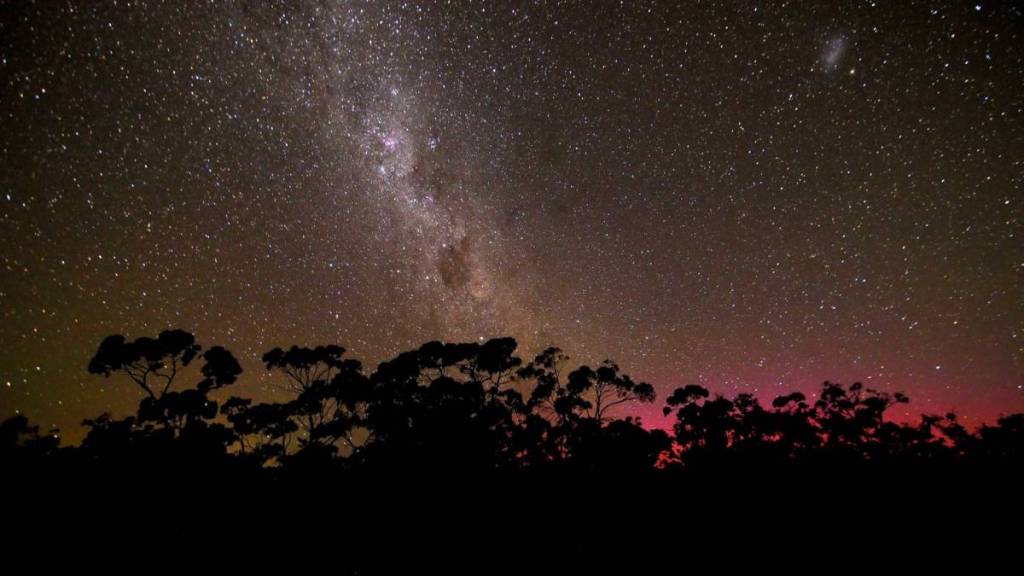
For campers, the reward comes after dark. Little Desert’s remote setting offers strong conditions for stargazing, with the southern night sky stretching above the dunes and bushland.
Why you’ll need a proper 4WD
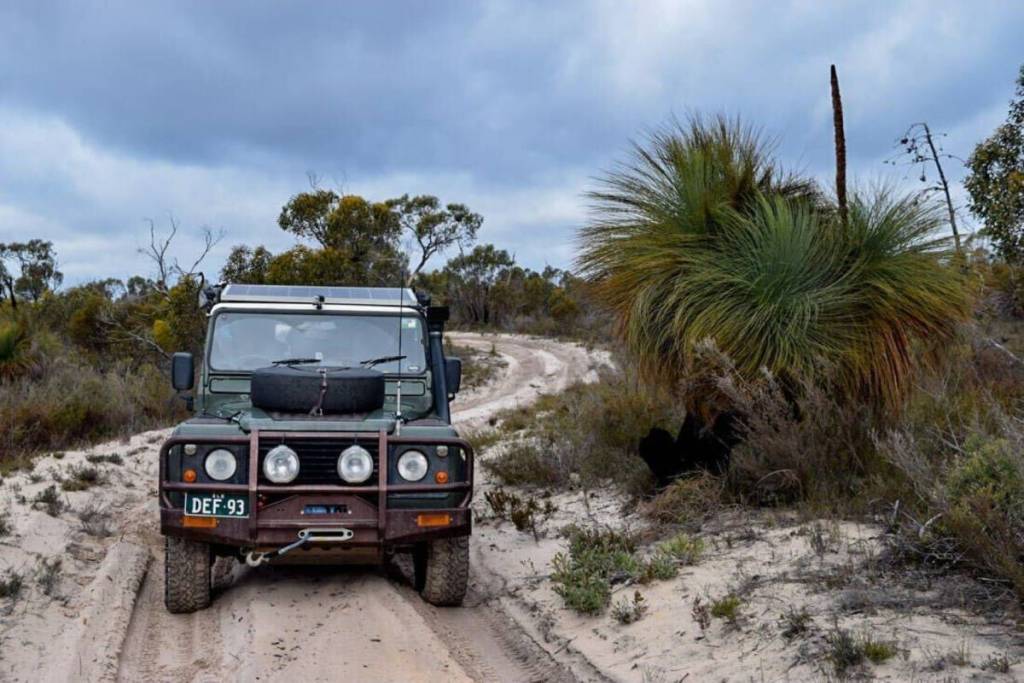
Parks Victoria says winter rainfall has left tracks wet in places, while repair work means some signs have not yet been reinstalled.
The newly reopened Central Block requires a capable 4WD. Ordinary two-wheel-drive vehicles cannot handle the area, and drivers should not treat an all-wheel-drive vehicle as a substitute for a proper four-wheel drive on the park’s sandy tracks.
Before leaving, visitors should:
• Download offline maps or carry a physical map book.
• Check the latest Parks Victoria conditions before departure.
• Allow extra time for slow, uneven and potentially muddy tracks.
• Carry enough food, water, fuel and recovery equipment for a remote trip.
There is no drinking water available in the park, so visitors should bring their own supply. Limited non-potable water may be available from rainwater tanks.
Where to stay
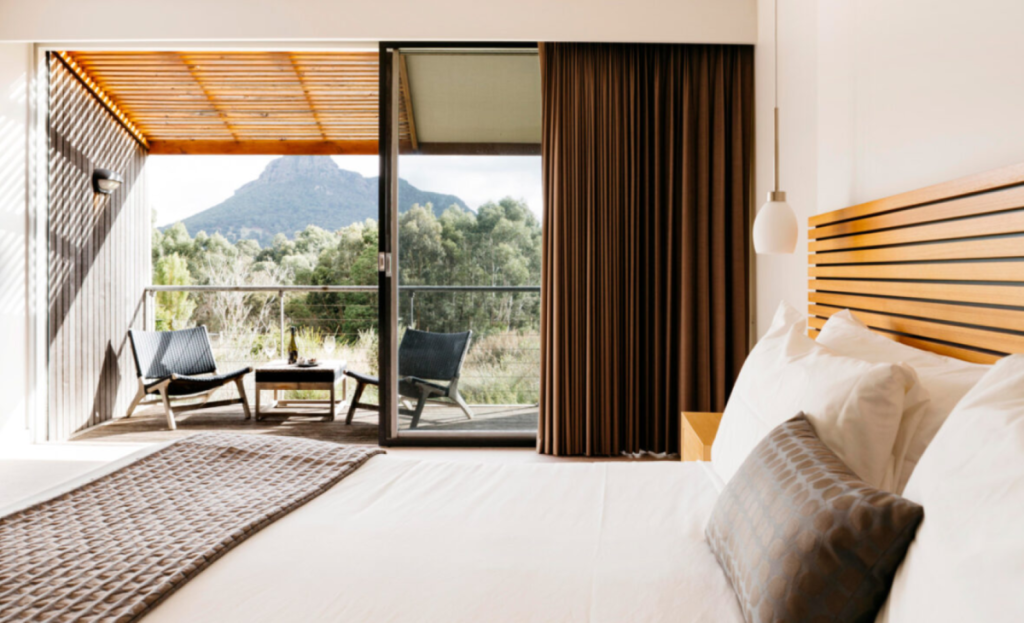
Whether you want a basic bush camp or a more comfortable regional getaway, Little Desert National Park and its surrounding towns offer several ways to stay overnight.
Inside the park, camping is the best option for travellers who want to experience the landscape up close. The newly reopened Central Block now provides additional camping options, while Ackle Bend and Horseshoe Bend offer riverside camping near the Wimmera River.
Ackle Bend also provides a more comfortable setup than the remote walkers’ camps, with self-contained kitchens, air-conditioning and heating, as well as an amenities block. Other established camping areas include the Mallee Walkers Camp and Yellow Gum Walkers Camp.
Facilities vary between campgrounds. Visitors should come prepared with drinking water, food, fuel, warm layers, firewood where permitted and everything else they need for a self-sufficient stay, particularly at the more remote sites. A reliable way to navigate without mobile reception is also recommended.
For travellers after more comfort, nearby accommodation includes Discovery Parks-Grampians and the Royal Mail Hotel. These make convenient bases for exploring the park during the day before returning to a proper bed, hot shower and more substantial meals.
The surrounding region is also worth exploring as part of a longer road trip, with farm-gate shops, local produce outlets and small-town businesses along the way. The Wimmera is best experienced at a slower pace, with time to stop for regional food, handmade goods and local discoveries.
Camping bookings and payment requirements vary between sites. Check the latest Parks Victoria information before travelling, as facilities and access can change during staged reopening works. Fire restrictions also apply, so visitors should check the current fire danger rating and Total Fire Ban conditions before lighting any fire.
What remains closed for now
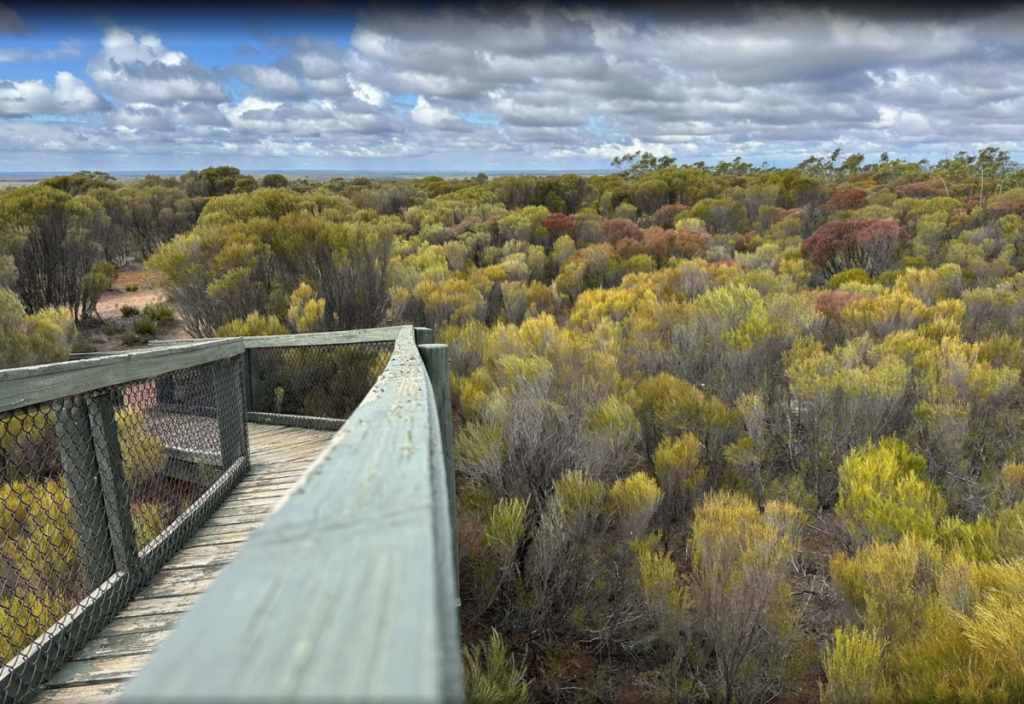
The Eastern Block remains closed, including the area between Nhill-Harrow Road and the Wimmera River. The Stringybark Walk, Kiata Campground and the Desert Discovery Walk also remain closed while recovery work continues.
Visitors must stick to the areas officially listed as open. Entering closed sections can create safety risks, damage recovering habitats and interfere with ongoing repairs.
The park’s recovery involves more than replacing signs and reopening roads. Keeping some areas closed gives fragile vegetation, wildlife and cultural sites the time and space they need to recover.
Little Desert National Park sits within a landscape with enduring cultural importance to the Wotjobaluk Peoples. People also know the Wimmera River as Barringgi Gadyin. Scarred trees, shell middens, stone tools and oven mounds provide evidence of generations of connection to Country.
Generations of care, knowledge and connection have shaped this landscape; it is neither empty nor untouched. Visitors should travel respectfully, avoid disturbing cultural material, take their rubbish with them and leave natural features where they find them.