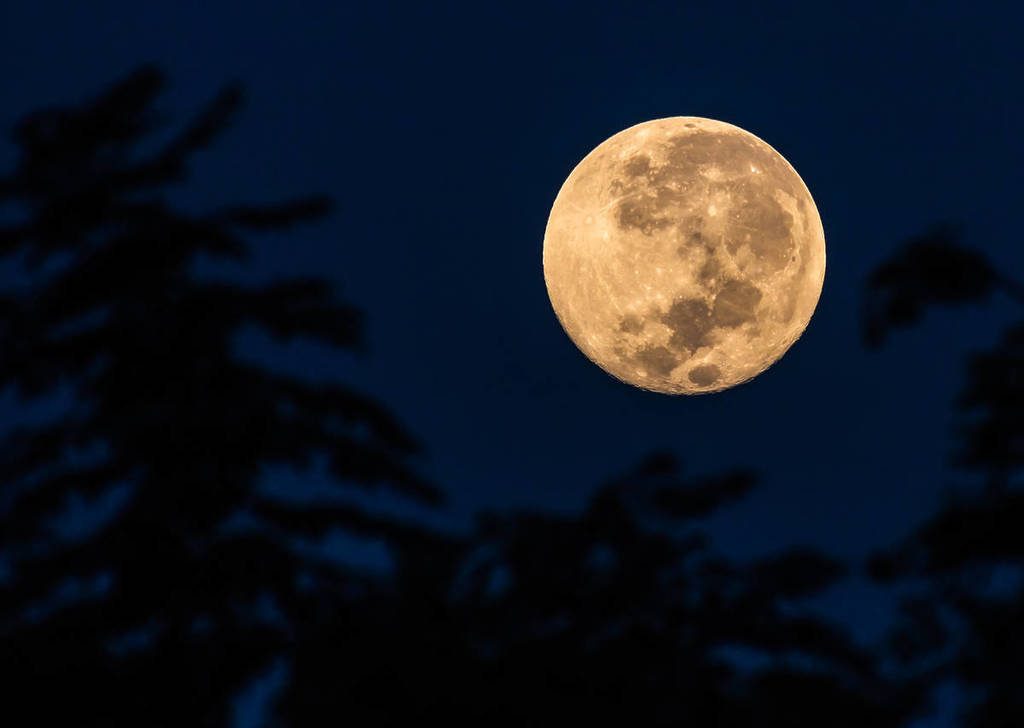
If you’re still marvelling at the incredible celestial events that dazzled the skies in October including the brightest comet of the year, there’s more on the horizon. The last supermoon of the year is set to light up the skies in Australia this week, and it won’t return until late 2025. This full moon, dubbed the ‘Beaver Moon,’ marks the last of spring before Australia ushers in summer. Ready to spot it yourself? Here’s when, how, and where to see it in its full glory.
What is the Beaver Moon?
Curious about the name? The “Beaver Moon” gets its moniker from the Northern Hemisphere, marking the time when beavers are busiest preparing for winter. The bright light of the full moon helps them build their dams and homes at night before the winter freeze sets in. Not exactly something we’re doing in Australia given it’s nearly summer, but it’s a quirky bit of trivia all the same. In case you were wondering, the name of the moon has nothing to do with its appearance.
When can you see it in Australia?
A supermoon occurs when the full moon reaches its closest point to Earth, called perigee, making it appear larger and brighter in the sky. In 2024, the Beaver Moon will light up the skies in Australia on November 15, with its peak illumination set to occur at 5:59pm AEDT. It’s the perfect time to catch the final full moon of the year as it rises in the evening sky and right before the night settles in.
What are the best places to see the Beaver Moon?
For an optimal viewing experience in Melbourne, look to the east to see the moon make its appearance above the horizon. A high spot like Mount Dandenong would be nice, or you can head to an east-facing beach, like the one in Williamstown, to get views of the moon and the city. Otherwise, just look up and hope for clear skies.
When is the next supermoon?
Aside from being one of the brightest supermoons of the year, the Beaver Moon is special because it’s the last one we’ll see for a while. The supermoons in 2025 will rise on the following dates:
- October 7 — Hunter’s Moon
- November 5 — Beaver Moon
- December 4 — Cold Moon
Read more about the supermoon on the official NASA website.