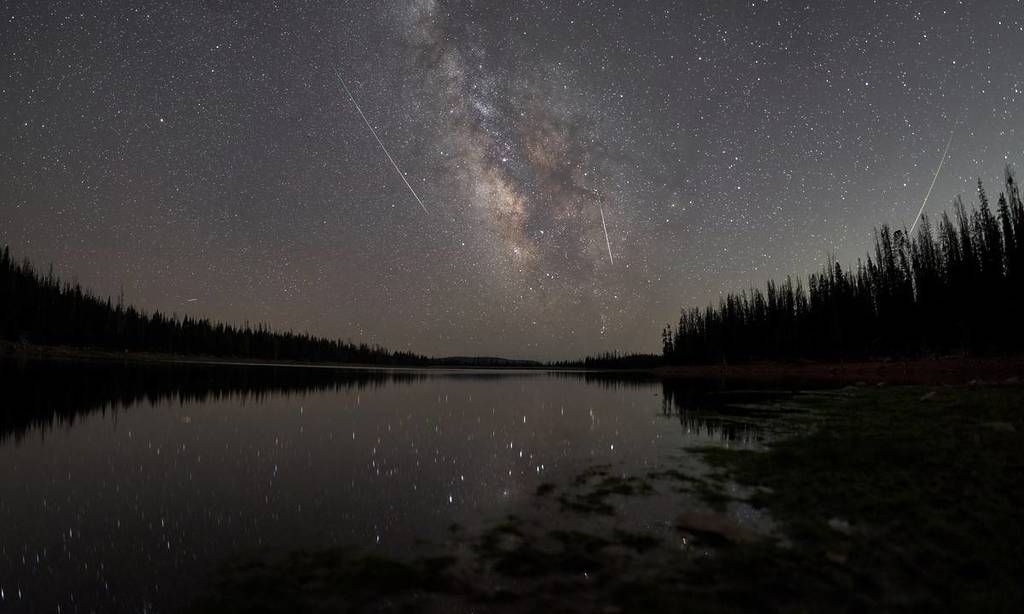

Melbourne’s early risers are in for a celestial show tonight and tomorrow morning, with one of the year’s fastest meteor showers set to streak across Victorian skies.
The Eta Aquariids—a meteor shower born from debris left behind by Halley’s Comet—will peak in the early hours of 6th-7th May 2026, offering a rare chance to see dozens of shooting stars dart across the sky at breakneck speed.
Under ideal dark-sky conditions, observers could spot up to 50 meteors per hour, though moonlight may dial that down.
A Comet With A Deep History
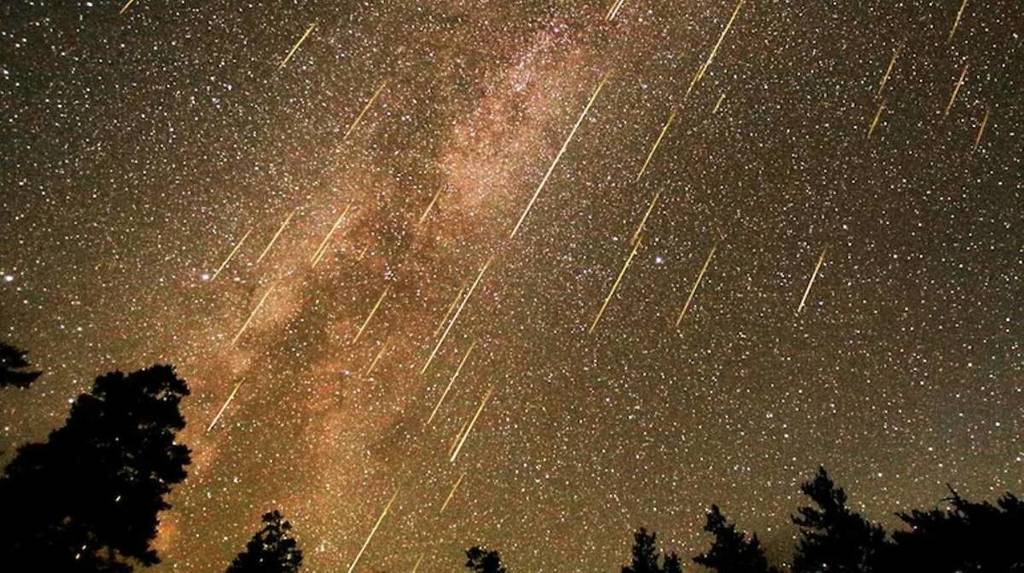
The Eta Aquariids trace back to Halley’s Comet, a cosmic regular that swings past Earth roughly every 76 years (next due in 2061). As it travels through the solar system, it leaves behind a trail of dust and debris.
Each year, Earth passes through that trail, and those tiny particles—sometimes no bigger than a grain of sand—burn up in our atmosphere, creating the bright streaks we see.
These meteors tear through the sky at around 50 kilometres per second, often leaving glowing trails that linger for a moment after the streak itself has vanished. The shower gets its name from the constellation Aquarius, where the meteors appear to originate.
When To Look Up In Melbourne?
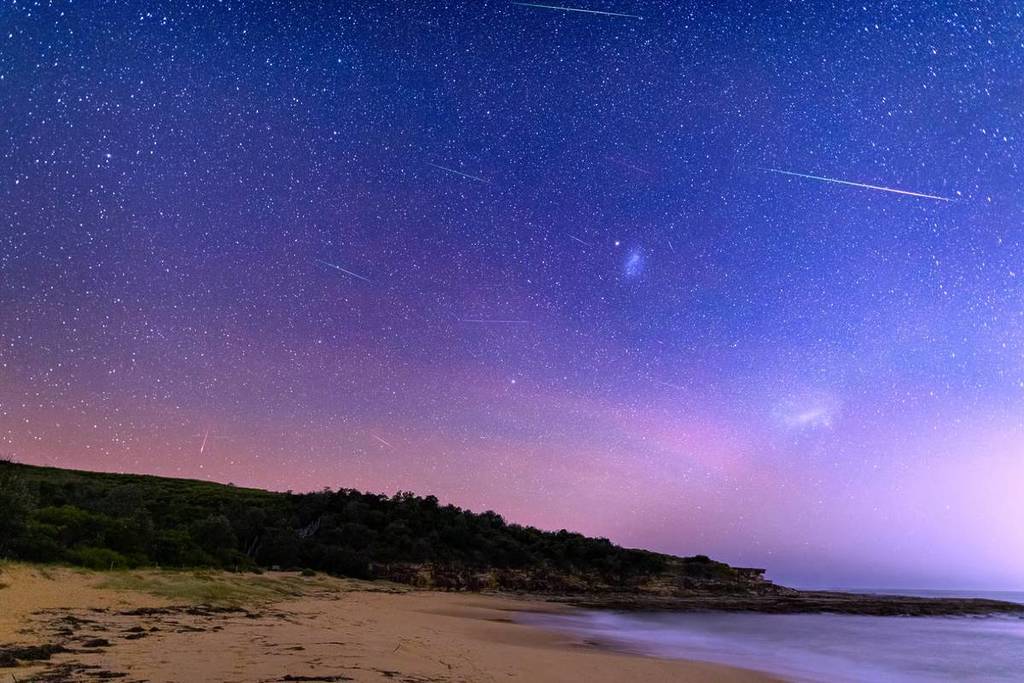
The shower is active from mid-April to late May, but the peak window for Victoria falls between the nights of 6th and 7th May. If you’re planning to catch it, you’ll want to be out well before sunrise.
The sweet spot is typically between 2:30am and 6:10am, when the Aquarius radiant climbs higher in the eastern sky. That’s when meteor rates tend to increase, with bursts of activity possible in otherwise quiet stretches.
Forecasts suggest strong activity again into the morning of 7th May, though a bright waning moon may reduce visibility somewhat.
Where To Watch From (& How To Make It Count)
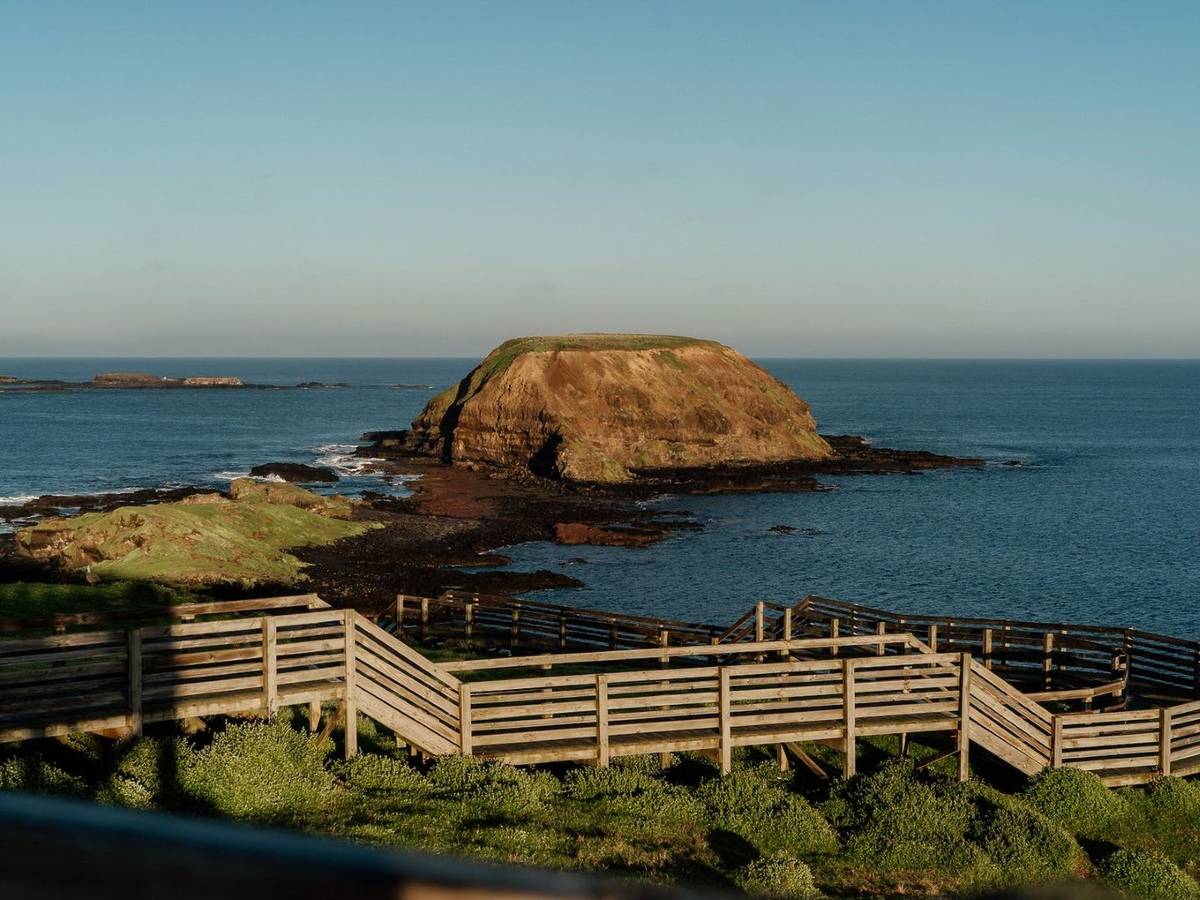
For the Eta Aquariids, Victoria offers several standout dark-sky locations that combine wide horizons, minimal light pollution and memorable backdrops. Winton Wetlands near Benalla provides vast, unobstructed skies over the Southern Hemisphere’s largest wetland restoration project, making it ideal for spotting meteors.
Further west, Snake Valley near Ballarat is known for its exceptionally dark conditions and strong stargazing culture. Elevated vantage points in the Grampians National Park, particularly Boroka Lookout, deliver sweeping 360-degree views with minimal light interference.
Coastal watchers can head to Phillip Island, where The Nobbies offers a dramatic ocean horizon that enhances pre-dawn meteor viewing. Inland, the Leon Mow Dark Sky Site near Heathcote stands as one of Victoria’s most pristine night-sky locations, with virtually no light pollution.
Closer to the Mornington Peninsula, the Cape Schanck Lighthouse Reserve combines rugged coastline and a pitch-black ocean horizon, creating a striking backdrop for early-morning shooting stars.
Once you’re set up, allow 20–30 minutes for your eyes to adjust to the darkness and keep your phone out of sight. Lie back, look broadly across the sky and settle in. If skies stay clear, this early May display should deliver one of the most dynamic night-sky events visible from the southern hemisphere this year.